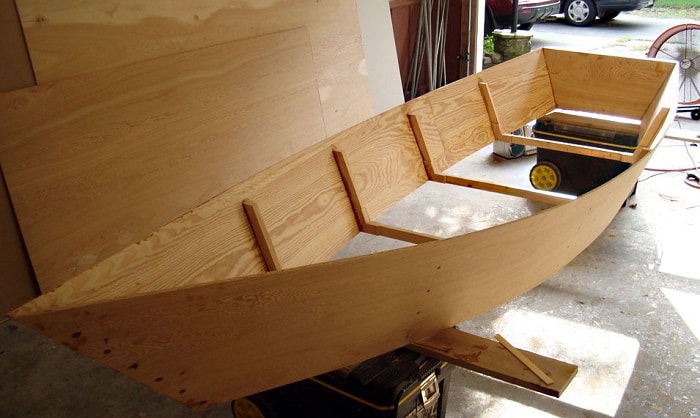
Plywood Boat Plans: Build Your Dream Watercraft!
Hey there, fellow boat enthusiasts and woodworking wizards! So you're thinking about building your own plywood boat? That's awesome! It's a challenging but incredibly rewarding project that combines creativity, skill, and a whole lot of satisfaction. This guide will walk you through everything you need to know about finding and using plywood boat plans to craft your perfect watercraft.
Choosing the Right Plywood Boat Plans
The first step in your boat-building journey is selecting the right plans. Don't just grab the first set you see! Consider these factors:
Your Skill Level:
Are you a seasoned woodworker, or are you just starting out? Beginner plans will focus on simpler designs with fewer complex joinery techniques. More experienced builders can tackle intricate designs and advanced techniques.
Desired Boat Type:
What kind of boat are you dreaming of? There are tons of options, from small kayaks and canoes perfect for leisurely paddles, to more robust designs like small motorboats or even sailboats. Think about how you plan to use your boat â€" fishing, recreation, or something else entirely.
Available Resources:
Consider the tools and materials you have available. Some plans might require specialized tools or expensive materials that you may not have access to.
Where to Find Plans:
You can find plywood boat plans from various sources:
- Online Retailers: Websites like Amazon and Etsy offer a wide selection of digital plans.
- Boat Building Supply Stores: These stores often carry both digital and physical plans.
- Bookstores and Libraries: Check out woodworking and boat-building books for plan inspiration.
- Boat Building Magazines: Many magazines feature articles and plans for plywood boats.
Essential Materials and Tools
Once you've chosen your plans, gather your materials and tools. You'll need:
- Marine-Grade Plywood: This is crucial! Regular plywood won't hold up to the elements.
- Epoxy Resin and Hardener: For bonding and sealing the plywood.
- Wood Screws and Fasteners: Choose marine-grade screws for durability.
- Wood Filler and Paint/Varnish: To finish your boat and protect it from the water.
- Various Hand and Power Tools: Depending on the complexity of your design, you may need saws, drills, clamps, sanders, and more.
Building Your Plywood Boat: A Step-by-Step Approach
The exact steps will vary based on your chosen plans, but generally, you'll follow these stages:
- Cut the Plywood: Carefully cut the plywood pieces according to the plans.
- Assemble the Hull: Join the plywood pieces to form the boat's hull using epoxy resin, screws, and other fasteners.
- Install Structural Components: Add stringers, frames, and other components for strength and support.
- Finish the Interior: Add seating, storage, and any other desired interior features.
- Apply Finishing Touches: Sand, fill any gaps, and apply paint or varnish for protection and aesthetics.
Remember to carefully follow the instructions in your chosen plans. Take your time, double-check measurements, and don't be afraid to ask for help if you need it.
Commonly Asked Questions
Here are some frequently asked questions about building plywood boats:
- Q: How long does it take to build a plywood boat? A: This varies greatly depending on the boat's size and complexity, as well as your experience level. It could take anywhere from a few weeks to several months.
- Q: How much does it cost to build a plywood boat? A: The cost depends on the boat's size and the materials you use. Expect to spend several hundred to several thousand dollars.
- Q: Do I need any special skills to build a plywood boat? A: Basic woodworking skills are helpful, but many plans are designed for beginners. Patience and attention to detail are essential.
- Q: What kind of epoxy should I use? A: Use a high-quality marine-grade epoxy designed for boat construction. Follow the manufacturer's instructions carefully.
Happy building, and may your next adventure be on the water!
0 comments:
Post a Comment