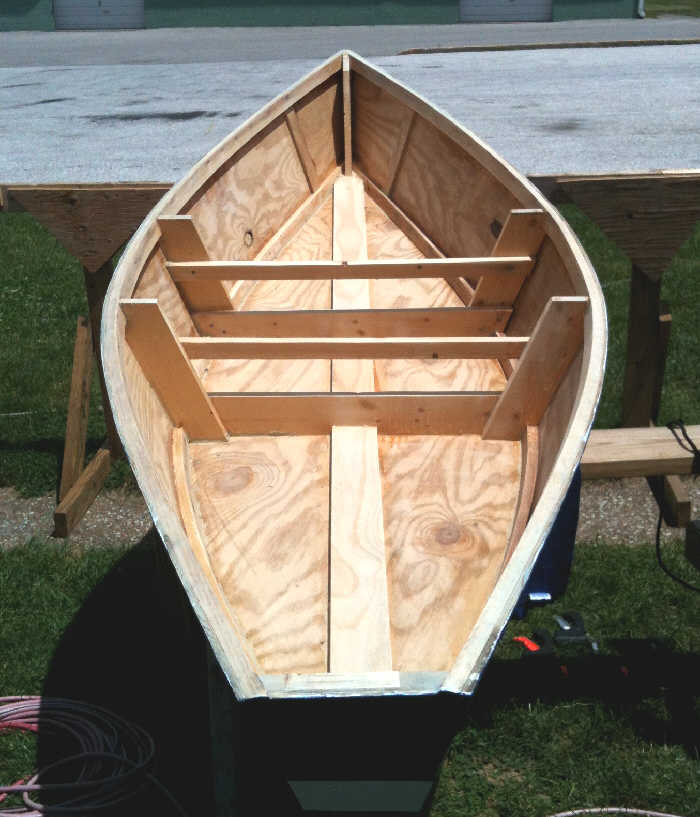
DIY Wood Boat Plans for Rowing, Paddling, and Sailing
Embark on a rewarding journey of building your own wooden boat, a timeless craft that blends skill, passion, and the satisfaction of creating something unique. Whether you envision a sleek rowing skiff, a graceful paddleboat, or a charming sailboat, this guide provides comprehensive insights into the world of DIY wood boat plans, empowering you to turn your dreams into reality.
Choosing the Right Boat Plan
The first step in your boatbuilding adventure is selecting the perfect plan. Numerous resources offer an array of designs, catering to varying skill levels and preferences. Consider the following factors:
Type of Boat:
- Rowing Boats: Rowing boats, like skiffs and dinghies, prioritize efficiency and maneuverability, ideal for tranquil waters.
- Paddle Boats: Paddle boats, characterized by their flat bottoms and wide beams, offer stability for leisurely paddling adventures.
- Sailing Boats: Sailing boats, powered by wind, come in diverse sizes and configurations, from simple dinghies to larger sailboats.
Skill Level:
- Beginner: Start with simpler designs, like a small dinghy or a flat-bottomed paddleboat, requiring less complex construction.
- Intermediate: Explore more intricate designs, such as a classic rowing skiff or a small sailboat with a simple rig.
- Advanced: Tackle challenging projects, like a traditional wooden sailboat with intricate details and complex construction.
Materials and Tools:
- Wood: Consider the availability and cost of suitable wood species, such as cedar, mahogany, oak, or plywood.
- Tools: Assess your current tool inventory and identify any additional tools required for the specific plan.
Essential Tools and Materials
Building a wooden boat demands a range of essential tools and materials. While specific requirements vary based on the chosen plan, here are some common elements:
Tools:
- Hand Tools: Saws (hand saw, crosscut saw, coping saw), chisels, planes, hammers, screwdrivers, clamps, tape measure, level, square, marking gauge, rasps, files, sandpaper.
- Power Tools: Drill, jigsaw, sander, router (optional), belt sander (optional).
- Other Tools: Workbench, boatbuilding jig (if required), painting tools, varnish brushes.
Materials:
- Wood: Marine-grade plywood, lumber (planks, beams, ribs), hardwood strips, epoxy resin, fiberglass cloth.
- Fasteners: Screws, nails, bolts, rivets, washers, nuts.
- Finishing Materials: Paint, varnish, sealant, marine-grade adhesive.
Building Process: A Step-by-Step Guide
The boatbuilding process involves a series of meticulous steps, each contributing to the final masterpiece. While individual plans may vary, the general workflow remains consistent:
1. Preparing the Plans:
Thoroughly review the plans, understanding every component, dimension, and assembly instruction. Make copies of the plans for easy reference during construction.
2. Selecting and Preparing Wood:
Choose appropriate wood species, ensuring it is dry and free from defects. Cut and shape wood according to plan specifications, taking precise measurements.
3. Constructing the Hull:
The hull, the boat's primary structure, is typically built using a combination of planking, ribs, and frames. Follow the plan's instructions, carefully aligning and attaching components using appropriate techniques.
4. Adding Deck and Superstructure:
Once the hull is complete, construct the deck, which provides a platform for seating and navigation. If the design includes a superstructure (cabin or cockpit), build and integrate it into the hull and deck.
5. Installing Hardware and Fittings:
Install essential hardware, such as seats, oars, rudders, masts, and sails, ensuring proper placement and function according to plan specifications.
6. Finishing and Sealing:
Finish the boat with a coat of paint or varnish, providing protection and enhancing its appearance. Apply sealant to prevent water intrusion and maintain the integrity of the wood.
Tips for Success
Building a wooden boat is a labor of love, requiring patience, precision, and meticulous attention to detail. To enhance your chances of success, consider these tips:
- Choose a Design That Suits Your Skill Level: Avoid overreaching and selecting a plan that's too complex for your experience.
- Practice Before Cutting: Before making any final cuts on expensive wood, practice on scrap pieces to refine your skills.
- Follow the Plans Precisely: Adhering strictly to plan specifications is crucial for achieving the desired shape and stability.
- Seek Guidance: Consult experienced boatbuilders, join a boatbuilding club, or utilize online forums for support and advice.
- Don't Rush the Process: Take your time, allowing ample drying time for adhesives and coatings.
- Enjoy the Journey: Embrace the rewarding experience of building a wooden boat, appreciating the craftsmanship and pride in your creation.
Safety Considerations
Boatbuilding involves tools and materials that require safe handling and practices. Always prioritize safety by:
- Wearing Appropriate Eye Protection: Protect your eyes from flying debris and dust.
- Using Hearing Protection: Reduce noise exposure from power tools.
- Following Tool Safety Guidelines: Familiarize yourself with the correct usage of tools and equipment.
- Working in a Well-Ventilated Area: Ensure adequate ventilation when using chemicals, such as paint, varnish, or epoxy resin.
- Maintaining a Clean and Organized Workspace: Reduce the risk of accidents by maintaining a safe and clutter-free work environment.
Conclusion
Building your own wooden boat is an enriching endeavor, offering a unique blend of craftsmanship, personal satisfaction, and the thrill of navigating the waters in a creation of your own hands. By carefully choosing a plan, gathering the necessary tools and materials, and following the steps outlined above, you can transform your dreams into a tangible and timeless piece of maritime heritage.
0 comments:
Post a Comment