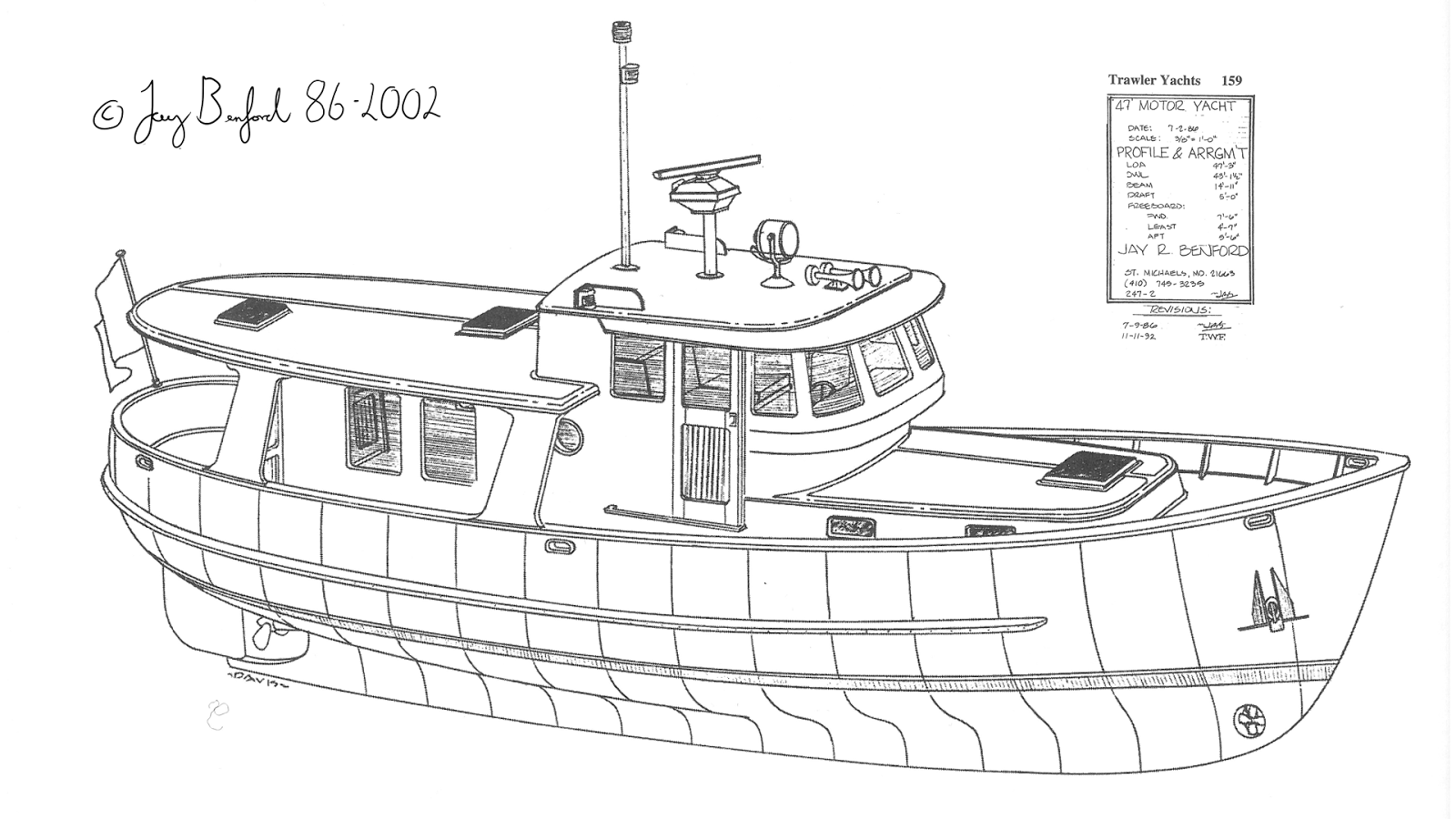
Crafting a Compact, Practical Fishing Boat: Plans for Your Next Adventure
The allure of the open water, the thrill of the fight, and the satisfaction of a successful catch are the hallmarks of a great fishing adventure. But to truly embrace these experiences, you need a vessel that's as capable and reliable as it is compact and practical. This article will guide you through the essential steps and considerations involved in designing and building your own fishing boat, tailored to your specific needs and preferences.
Designing Your Dream Boat: Balancing Function and Size
The foundation of any successful fishing boat is a well-thought-out design. This involves striking a delicate balance between functionality, size, and budget. Before embarking on your design journey, answer these crucial questions:
1. What type of fishing will you be doing?
- Will you be targeting inshore or offshore species?
- Are you primarily a solo angler or fishing with a group?
- What kind of weather conditions will you encounter?
2. How much space do you need?
- Consider the size of your fishing gear, tackle boxes, and any other equipment you'll be bringing along.
- Think about the number of people you'll be fishing with and whether you need seating or standing room.
- Remember that a compact boat doesn't have to mean cramped quarters, with careful planning and design.
3. What is your budget?
- Materials, construction techniques, and the complexity of your design will all affect the cost of your project.
- A careful evaluation of your budget will help guide your choices and ensure a financially feasible build.
Choosing the Right Materials for Durability and Stability
After finalizing your design, the next step is selecting the right materials. The materials you choose will significantly impact the durability, stability, and weight of your boat. Common choices include:
1. Fiberglass:
- Lightweight and strong, fiberglass is a versatile material for boat building.
- It offers excellent resistance to water damage, abrasion, and impact.
- Fiberglass can be molded into complex shapes, allowing for intricate designs.
2. Aluminum:
- Known for its durability and resistance to corrosion, aluminum is a popular choice for fishing boats.
- It's lightweight and relatively easy to work with, making it a good option for DIY builders.
- Aluminum can be welded or riveted together, offering flexibility in construction techniques.
3. Wood:
- While wood is often associated with traditional boat building, it can be a viable option for a smaller fishing boat.
- Select durable hardwoods like cedar, oak, or mahogany for optimal strength and longevity.
- Wood construction requires expertise in woodworking techniques, including planking, framing, and finishing.
Essential Features for a Successful Fishing Experience
Once you've decided on your design and materials, it's time to incorporate essential features that will enhance your fishing experience:
1. Storage Compartments:
- Adequate storage is crucial for organizing your fishing gear, keeping it dry and accessible.
- Designate compartments for tackle boxes, rods, bait, and other essentials.
- Consider adding locking compartments for valuables.
2. Livewells:
- A livewell ensures the survival of your catch while on the water, maintaining freshness and quality.
- Choose a livewell with adequate capacity for the fish you intend to keep.
- Ensure it has a proper aeration system to keep water oxygenated.
3. Seating and Stability:
- Comfortable and secure seating is essential for long days on the water.
- Consider adding swivel seats for better maneuverability and visibility.
- Ensure the design provides ample stability, even in choppy waters.
4. Deck Space:
- Adequate deck space is important for fishing, casting, and moving around comfortably.
- Include non-slip surfaces to ensure safe footing in all weather conditions.
- Think about incorporating rod holders, tackle trays, and other essential features to optimize deck space.
Building Your Fishing Boat: A Detailed Guide
With your design and materials finalized, you're ready to embark on the exciting process of boat construction. While this can be a complex undertaking, detailed plans and a systematic approach can make the journey manageable.
1. Gathering the necessary tools and equipment:
- Acquire tools specific to your chosen construction method, including saws, drills, sanders, and clamps.
- Invest in quality equipment for safety and precision.
- Consider a comprehensive tool kit that includes specialized tools for boat building, such as a router, a planer, and a jig saw.
2. Following your boat plans diligently:
- Your plans will provide detailed instructions and diagrams, guiding you through each stage of the build.
- Pay close attention to measurements, angles, and specifications.
- Don't hesitate to seek clarification or advice if you encounter any doubts.
3. Completing each phase with care and accuracy:
- Start with framing and assembling the hull structure, ensuring accurate alignment and stability.
- Move on to planking or skinning the hull, using the chosen material according to your plans.
- Finish with adding decks, seats, storage compartments, and other features.
4. Thorough sanding and finishing:
- Sand down all surfaces to achieve a smooth and even finish.
- Apply appropriate paint or varnish to protect the boat from the elements.
- Consider adding non-slip coatings to deck areas for safety.
Launching Your Dream Boat: A Celebration of Success
Once your boat is complete, the final stage involves launching it into the water. This is a joyous occasion, marking the culmination of your hard work and dedication. Prepare for your maiden voyage with a safety check, ensuring all systems are functioning properly.
1. Conduct a thorough inspection:
- Check all welds, rivets, and joints for any signs of weakness or damage.
- Verify the functionality of the livewell, bilge pump, and other essential systems.
- Review your safety equipment, including life jackets, flares, and a first-aid kit.
2. Seek professional assistance:
- If you are new to boat launching, consider seeking professional assistance.
- Local marinas or boat ramps often have experienced staff who can guide you through the process.
- Safety should always be your top priority during the launch.
3. Embrace your fishing adventures:
With your boat ready to go, you can finally embark on your long-awaited fishing adventures. Enjoy the thrill of the catch, the peace of the open water, and the satisfaction of a vessel built with your own hands. Remember to practice responsible fishing techniques, respecting the environment and ensuring the sustainability of our waterways.
0 comments:
Post a Comment