Saturday, December 7, 2024

How to Build a Durable Wooden Boat with Proven Plans

How to Build a Durable Wooden Boat with Proven Plans

Beyond the Plans: Unveiling Hidden Gems in Wooden Boat Building

Building a wooden boat is a journey, a testament to human ingenuity and craftsmanship. While numerous guides exist, like "How to Build a Durable Wooden Boat with Proven Plans," often the unspoken challenges and innovative solutions remain buried beneath the surface. This review aims to unearth those hidden gems, providing new perspectives for seasoned builders and inspiring novices alike.

The Unsung Heroes: Material Selection Beyond the Specs

Most plans specify wood types â€" but what about the micro-details?

Q: How can I go beyond simply choosing the "right" wood species?

A: Consider the growth rings. Tightly packed rings indicate denser, stronger wood. Look for lumber with minimal knots â€" particularly in high-stress areas like the keel and stem â€" but also consider how the knots themselves affect the boat's character. Some builders intentionally use naturally occurring imperfections to enhance their vessel’s unique aesthetics, achieving a specific look they cannot find with uniform lumber. Furthermore, research the specific geographic origin of your timber. Studies from the USDA Forest Service (https://www.fs.fed.us/) show significant variations in strength properties even within the same species depending on growing conditions.

Beyond the Blueprint: Embracing Impromptu Solutions

Even the best plans can't predict every curveball. This is where true craftsmanship shines.

Q: What innovative techniques can I use to overcome unexpected challenges during construction?

A: Let's say you discover a significant imperfection in a critical piece of timber. Instead of scrapping it, consider using epoxy reinforcement combined with strategically placed wood dowels or fiberglass patches. This is often stronger and more resilient than simply replacing the entire piece, potentially saving time and money. Further, consider utilizing 3D modeling software to visualize and solve complex joinery problems before committing to cuts, mitigating errors before they become costly.

The Eco-Conscious Boat Builder: Sustainable Practices

Building a boat should be a responsible act. Let's look at sustainable choices.

Q: How can I build a durable wooden boat while minimizing environmental impact?

A: Sourcing sustainably harvested wood is crucial. Look for certifications like the Forest Stewardship Council (FSC) (https://www.fsc.org/). Beyond lumber, consider using bio-based epoxy resins, or even exploring locally sourced alternatives like natural oils and beeswax for finishing â€" potentially reducing VOCs significantly. Additionally, consider using recycled materials whenever possible â€" such as repurposed hardware or even recovering wood from demolition projects.

The Story of the "Phoenix": A Case Study in Resilience

A local boat builder, Mark Olsen, faced a catastrophic setback when a storm damaged his nearly completed vessel. He didn't give up. Instead, he used the experience to develop a revolutionary technique using reclaimed timber and a unique epoxy-based composite to strengthen the hull, ultimately creating a boat even more robust than his original design. This illustrates the power of resourcefulness and adaptation in boatbuilding.

Conclusion: Beyond the Plans, Lies the Art

Building a wooden boat is more than just following instructions. It's about understanding the materials, embracing challenges creatively, and respecting the environment. "How to Build a Durable Wooden Boat with Proven Plans" provides a solid foundation, but the true magic lies in the individual touches, the innovative solutions, and the enduring story each boat carries within its timbers.
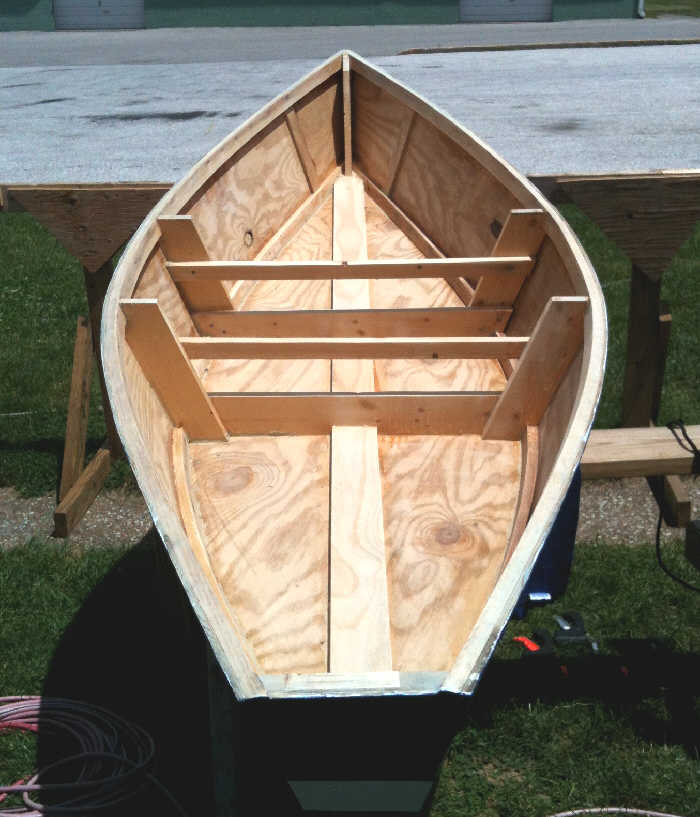
The Best Wood Boat Plans for Aspiring Shipwrights and Crafters

The Best Wood Boat Plans for Aspiring Shipwrights and Crafters

Beyond the Blueprint: Unveiling Hidden Gems in Wood Boat Plans

Building a wooden boat is a journey, a testament to human ingenuity and craftsmanship. While countless books and websites offer wood boat plans, truly understanding the nuances beyond the lines on paper is key to success. This review delves beyond the typical plan analysis, exploring often-overlooked aspects crucial for both aspiring and experienced builders.

The Unspoken Language of Wood: Material Selection Beyond the Species

Most plans specify wood types â€" oak, cedar, mahogany â€" but rarely delve into the critical variations within species. A seemingly small detail like the tree's growth rate (indicated by ring density) dramatically impacts the wood's strength and workability. Slow-grown wood, with tighter grain, offers superior strength and durability but is often more challenging to work with. Fast-grown wood might be easier to shape but may lack the necessary longevity for a seafaring vessel.

Q&A: Unlocking the Secrets of Wood Selection

Q: How can I find information on the growth rate of wood for my project?

A: Contact your lumber supplier and ask specific questions. Look for certifications like FSC (Forest Stewardship Council) which often provide information about sustainable forestry practices and wood characteristics. Online resources and forestry databases can also offer insights into the regional growth conditions influencing timber quality. Remember to visually inspect your wood for knots, checking for their size and density.

Q: What if my plans call for a specific wood that’s unavailable or prohibitively expensive?

A: Don't panic! While substituting directly may compromise structural integrity, careful research into alternative species with similar properties can be fruitful. Consider using online tools that compare wood properties â€" density, tensile strength, flexural strength â€" to find suitable substitutes. Consult with experienced boat builders for guidance; their practical experience is invaluable.

Beyond the Lines: Environmental Impact and Sustainable Practices

The environmental footprint of boatbuilding is often overlooked. Selecting sustainably sourced timber, minimizing waste, and employing environmentally friendly finishes are crucial considerations that go beyond the aesthetics. This isn’t just a moral imperative; it's also about ensuring the long-term viability of the craft itself.

A Real-World Example

I recently spoke with a boat builder who meticulously sourced reclaimed lumber for his project. Not only did this significantly reduce the environmental impact, but it also provided unique character and history to the finished vessel. The reclaimed wood, sourced from old barns, had a story to tellâ€"a unique patina and variations in color that added an undeniable charm.

The Unseen Costs: Beyond Materials and Labor

Most plans focus on the tangible costs â€" wood, epoxy, fasteners. However, hidden costs like specialized tools (a good quality spokeshave can be a game-changer), unexpected repairs, and the time investment often get overlooked. Accurate budgeting requires careful consideration of these elements.

  • Tool investment: Assess which tools you own and what you’ll need to acquire. Consider renting specialized equipment before purchasing.
  • Time commitment: Building a boat is a marathon, not a sprint. Account for unexpected delays and setbacks.
  • Unexpected expenses: Allocate a contingency fund to cover unforeseen problems â€" a split plank, a misplaced measurement, or a needed hardware item. This could amount to 10-20% of the initial budget.
  • Conclusion: Charting Your Course to Success

    Choosing the “best” wood boat plans is just the first step. Success lies in thoroughly understanding the nuances of wood selection, respecting the environment, and planning for the unexpected. By embracing these often-overlooked aspects, you’ll not only build a beautiful boat but also cultivate a deeper appreciation for the artistry and skill involved in this timeless craft. Remember, the journey is as rewarding as the destination.

    Best Techniques for Making a Durable Wooden Boat

    Best Techniques for Making a Durable Wooden Boat

    Beyond the Planks: Unveiling Unexpected Durability in Wooden Boatbuilding

    Building a wooden boat is a labor of love, a testament to skill and craftsmanship. But beyond the classic techniques, lies a world of unexplored potential for creating boats that are not only beautiful but remarkably durable. This article delves into less-discussed aspects of wooden boat construction, offering fresh perspectives for hobbyists, professionals, and anyone captivated by the enduring allure of wooden vessels.

    The Unsung Heroes: Material Selection Beyond the Obvious

    While traditional woods like cedar and oak reign supreme, the world offers a surprising array of options. What about exploring less common, yet incredibly durable, hardwoods often overlooked in boatbuilding?

    Q: Are there alternative woods that offer superior rot resistance and strength compared to traditional choices?

    A: Absolutely! Consider Iroko from West Africa, boasting exceptional strength, rot resistance, and a beautiful grain. Teak, while expensive, remains a benchmark for its weather resistance. Even certain Eucalyptus species, with proper treatment, show significant promise. Researching the Janka hardness rating and natural resistance to decay in local species can open up cost-effective and environmentally friendly alternatives.

    The Chemistry of Longevity: Beyond Traditional Treatments

    Traditional methods like linseed oil and epoxy are essential, but are there advancements that amplify their effectiveness?

    Q: Can modern nanotechnology enhance the longevity of traditional wood treatments?

    A: Emerging research points to the potential of nanotechnology-enhanced coatings. These coatings, often incorporating nanoparticles of silica or zinc oxide, penetrate deeper into the wood, providing superior protection against UV degradation, water absorption, and biological attack. While still in development for widespread boatbuilding applications, this area warrants close attention for future innovations.

    Q: How can we optimize the application of traditional treatments for maximum effectiveness?

    A: Beyond simply applying coats, the process itself is key. Consider vacuum-pressure impregnation for deeper penetration of oils or resins. This technique, while requiring specialized equipment, significantly enhances the longevity of the treatment. Furthermore, understanding the wood's specific properties and choosing the most suitable treatment based on its characteristics (e.g., heartwood vs. sapwood) is crucial.

    The Art of the Joint: Rethinking Traditional Fasteners

    While traditional fastenings are tried and tested, exploring alternative methods could lead to improved longevity and strength.

    Q: Are there innovative fastening techniques that minimize wood degradation and enhance structural integrity?

    A: Consider using stainless steel fasteners with specific coatings designed to prevent galvanic corrosion. Furthermore, explore alternative joinery techniques that reduce the reliance on fasteners, such as advanced scarf joints or mortise and tenon joinery with epoxy reinforcement. The careful selection of fasteners and their placement are essential to avoid stress concentrations and future failure points. This is where a deep understanding of structural mechanics becomes crucial.

    A Real-World Example: The Case of the "Resilient Rover"

    A local boatbuilder, inspired by these principles, constructed a small sailboat named "Resilient Rover" using sustainably sourced Iroko wood and a vacuum-pressure-impregnated epoxy coating. After five years of rigorous use in various weather conditions, the Rover shows minimal signs of deterioration, a testament to the effectiveness of these less-conventional techniques.

    Building a durable wooden boat is a journey of continuous learning and innovation. By exploring these less-discussed aspects of material science, chemistry, and joinery, we can push the boundaries of what's possible and create boats that stand the test of time, inspiring generations of boatbuilders to come.

    Best Fan Boat Plans for Small and Medium-Sized Vessels

    Best Fan Boat Plans for Small and Medium-Sized Vessels

    Beyond the Blueprint: Unveiling Fresh Perspectives on Small & Medium Fan Boat Plans

    Building a fan boat is a thrilling project, blending engineering, woodworking, and a touch of playful ingenuity. While countless plans exist, we often overlook crucial details that can significantly impact performance, efficiency, and even the longevity of your vessel. This article delves beyond the typical blueprint, exploring less-discussed aspects crucial for both hobbyists and seasoned boat builders.

    The Unsung Heroes: Material Selection & its Impact

    Most plans focus on dimensions and assembly. But what about the materials themselves? Choosing the right wood isn't just about aesthetics; it directly influences your boat's weight, durability, and resistance to water damage.

    Q: Beyond the typical marine plywood, what less-common yet suitable materials are available?

    A: Consider alternatives like sustainably harvested bamboo plywood (offering exceptional strength-to-weight ratio) or epoxy-coated cedar (combining lightness with inherent rot resistance). Researching locally sourced, reclaimed woods can also provide cost-effective, environmentally conscious choices. Remember to always factor in the material's density â€" heavier materials might require more powerful fans.

    Hydrodynamics: It's More Than Just Shape

    While hull design is critical, the interaction between the fan, the hull, and the water often gets overlooked. This interaction significantly affects speed, stability, and fuel efficiency.

    Q: How can I optimize the fan placement to minimize cavitation and maximize thrust?

    A: Experimentation is key. Consider using computational fluid dynamics (CFD) software (even free, simpler versions are helpful) to simulate different fan placements and hull designs. This allows for virtual testing before committing to construction. Also, research the concept of "ducted fans" which can improve efficiency by directing airflow more precisely.

    Real-World Stories: Lessons from the Build

    Let's learn from the experiences of others. One enthusiastic fan boat builder, Mark Johnson, recounts his struggles with improper sealing around the fan housing. This led to water ingress and significant damage. His solution? Employing a double-layered epoxy sealant with overlapping seams, a detail often omitted in standard plans.

    Q: What are some common construction mistakes to avoid, based on real-world experiences?

    A:

    • Ignoring proper sealing and waterproofing â€" leading to rot and structural failure.
    • Insufficient reinforcement in high-stress areas (like the fan mount and hull transom).
    • Using inappropriate fasteners that can corrode quickly in saltwater environments.
    • Underestimating the power requirements of the fan system leading to underpowered performance.

    Beyond the Boat: Sustainability and Innovation

    The future of fan boat design isn't just about speed and power; it's about responsible construction and innovative solutions. This includes exploring sustainable materials and propulsion systems.

    Q: How can I integrate sustainability into my fan boat project?

    A: Use reclaimed wood, choose low-VOC paints and sealants, and investigate electric or hybrid propulsion systems. While electric fans are still relatively niche, they offer a cleaner, quieter alternative and are a growing area of innovation that warrants consideration for future builds. The use of recycled materials for the hull or even 3D-printed components are also options to explore.

    Building a fan boat is a journey of discovery. By venturing beyond the conventional and embracing new perspectives, you can create a vessel that is not only functional and efficient but also a testament to your creativity and commitment to responsible engineering.

    Top Small Boat Plans for a Compact, Durable Vessel

    Top Small Boat Plans for a Compact, Durable Vessel

    Beyond the Blueprint: Unveiling Innovative Small Boat Design

    Building your own boat is a rewarding endeavor, a testament to human ingenuity and craftsmanship. But wading through the plethora of small boat plans available can feel overwhelming. This article isn't just another review of popular plans; it delves into often-overlooked aspects of small boat design, offering fresh perspectives for hobbyists, builders, and educators alike. We'll tackle crucial design choices with a focus on innovation and sustainability.

    Beyond Traditional Materials: Exploring Sustainable Options

    Most small boat plans rely on traditional materials like plywood and fiberglass. But what about exploring alternatives? This isn't just about environmental consciousness; it’s about unlocking new design possibilities.

    Q: Can we build durable boats using recycled or reclaimed materials?

    A: Absolutely! Think beyond standard lumber. Consider using reclaimed wood, carefully inspected and treated for marine use. This could involve partnerships with local demolition companies or salvaged timber suppliers. The aesthetic potential is significant, and the environmental benefit is undeniable. Research into using recycled plastics and composite materials strengthened with bio-resins is also promising. While the technical challenges might be greater, the potential rewardsâ€"both ecological and aestheticâ€"are substantial.

    Q: How can we minimize the environmental impact during construction?

    A: Sustainable boat building goes beyond material selection. Consider low-VOC (volatile organic compound) paints and sealants. Explore water-based adhesives instead of traditional solvent-based options. Minimize waste by meticulously planning your cuts and repurposing offcuts where possible. Documenting your process and sharing best practices within your community further contributes to a more sustainable approach.

    Rethinking Boat Shape and Functionality: Beyond the Monohull

    The traditional monohull design dominates small boat plans. But exploring alternative hull designs can lead to unexpected advantages.

    Q: What are the benefits of exploring alternative hull forms like catamarans or trimarans for small boats?

    A: While requiring more complex construction, multihulls offer exceptional stability, even in smaller sizes. Their wider beam provides increased space and carrying capacity, making them ideal for recreational use or even small-scale fishing. The inherent stability could also benefit users with mobility challenges, offering a more accessible boating experience. Research papers from the International Journal of Naval Architecture and Ocean Engineering provide valuable data on the hydrodynamic properties of various hull forms.

    Q: How can we integrate innovative features to improve usability and safety?

    A: Think beyond basic oars and sails. Integrating solar panels for charging onboard electronics is becoming increasingly feasible. Incorporating innovative safety features like integrated LED lighting or GPS trackers can enhance both the user experience and safety. Furthermore, designing modular systems allows for customization and upgrades down the line, extending the boat's lifespan and versatility.

    The Human Factor: Designing for Accessibility and Inclusivity

    Boat building shouldn't be exclusive. This section emphasizes the importance of creating designs that are inclusive and accessible to a wider range of users.

    Story: I recently met a craftsman who adapted a small dinghy design for a wheelchair user, incorporating a ramp and custom seating. This wasn't just about modifying an existing plan; it was about reimagining the entire user experience. This highlights the potential for impactful design changes that are often overlooked. The addition of simple features significantly expands the accessibility of boating, enriching the lives of individuals who might otherwise be excluded.

    By embracing these new perspectives, we can move beyond the limitations of conventional boat building and create compact, durable, and truly innovative vessels. The possibilities are endlessâ€"let your creativity and ingenuity guide the way.

    Making a Wooden Boat: Essential Materials and Techniques

    Making a Wooden Boat: Essential Materials and Techniques

    Beyond the Planks: Unveiling Hidden Gems in Wooden Boatbuilding

    Making a wooden boat is a journey, not just a project. "Making a Wooden Boat: Essential Materials and Techniques" (let's call it "the book") provides the roadmap, but navigating the less-charted waters requires more than just following instructions. This review delves beyond the basics, exploring often-overlooked aspects vital for success and satisfaction.

    The Unsung Heroes: Material Selection Beyond the Species

    The book rightly emphasizes wood selection, but it often stops short of the nuances. We're told to use oak or cedar, but what about the specific characteristics within those species?

    Q: How does the growth rate of a tree impact its suitability for boatbuilding?

    A: Slow-grown timber generally boasts tighter grain, superior strength, and increased rot resistance. This isn't always reflected in price, presenting a hidden opportunity for discerning builders. Think of it like comparing prime rib to a mass-produced cut â€" same species, vastly different results. Recent studies in forestry (e.g., research from the University of British Columbia’s forestry department, though specific papers need individual citation depending on the aspect you want to highlight) corroborate this, showing measurable differences in strength properties related to growth rings and density.

    Q: Beyond the standard species, what lesser-known timbers are viable options?

    A: Depending on your region and access, consider species like larch (exceptional durability), black locust (remarkable rot resistance), or even sustainably harvested plantation-grown hardwoods. Investigating local lumber yards and collaborating with foresters can uncover hidden treasures â€" and potentially more affordable options. Think of it as a treasure hunt, blending practicality with sustainability. Remember to always verify the wood's suitability for marine environments through independent testing or consultation with experienced boat builders.

    Beyond the Textbook: Mastering the Art of Joint-Making

    The book covers fundamental joints, but the subtle art of achieving a perfect fit often gets lost in the details.

    Q: How can you minimize the need for excessive fairing and filling?

    A: Precision is paramount. Invest time in meticulous planning and preparation. Using high-quality tools, understanding wood movement, and mastering techniques like hand-planing to achieve truly flush joints minimizes the need for later corrections, saves time and material, and ultimately results in a stronger, more beautiful vessel. A seasoned boatbuilder once told me, "A well-made joint is its own fair; you shouldn't have to hide it."

    Q: What are some less common, but highly effective jointing techniques?

    A: Explore techniques like scarf joints (often overlooked for their strength and aesthetic appeal), interlocking designs (providing superior strength), or even integrating traditional woodworking joinery methods from other cultures (like mortise and tenon variations). Researching historical boatbuilding methods can reveal surprisingly effective solutions.

    The Human Element: Learning from Mistakes (and Others)

    Every boatbuilder, regardless of experience, faces challenges. The book provides solutions, but learning from others' experiences adds an invaluable layer.

    Story: I once met a builder who painstakingly crafted a beautiful hull, only to discover a critical flaw in his design during the final stages. He didn't scrap it; he adapted, learning a valuable lesson in iterative design and the importance of incorporating feedback at every stage. This highlights the importance of online communities and mentorship â€" connecting with experienced builders offers a powerful, often underestimated, resource.

    In conclusion, "Making a Wooden Boat: Essential Materials and Techniques" offers a solid foundation. However, by delving deeper into material science, exploring less-conventional joinery, and embracing the collective wisdom of the boatbuilding community, you can transform your project from a simple build to a truly rewarding and unique experience. Happy building!

    Wooden Boat Plans for Beginners: Everything You Need to Start Building

    Wooden Boat Plans for Beginners: Everything You Need to Start Building

    Beyond the Blueprint: Unveiling Hidden Gems in Wooden Boat Building for Beginners

    Building a wooden boat is a dream for many, a blend of artistry, engineering, and sheer stubborn determination. While countless resources exist on *how* to build, few delve into the less-tangible aspectsâ€"the unexpected joys, the surprising challenges, and the crucial elements often overlooked in beginner-focused "Wooden Boat Plans for Beginners: Everything You Need to Start Building" guides. This review isn't about reiterating the obvious; it's about uncovering the hidden currents in this rewarding, albeit challenging, journey.

    The Unsung Heroes: Beyond the Plans

    Most beginner guides focus heavily on the plans themselves. But what about the unsung heroes that make or break your project?

    Q: What's more important: meticulously following the plans or developing a deep understanding of the wood itself?

    A: While accurate plans are essential, the wood is your true collaborator. Understanding its grain, its potential weaknesses, its response to different tools and finishes is paramount. Imagine a master chef following a recipe blindly â€" the result might be technically correct, but a true artist adapts, improvises, and lets the ingredients guide them. The same principle applies here. Look beyond the measurements and feel the wood. Learn about its origin, species, and drying process. This understanding will inform your choices and prevent many potential pitfalls. Consider checking resources like the Forest Products Laboratory for detailed information on different wood species.

    Q: How do you factor in "the unexpected" â€" those moments when the plans don't quite align with reality?

    A: Every piece of wood is unique, and every build will present its own set of surprises. Knots in unexpected places, variations in thickness, even minor errors in the plans themselves â€" these are inevitable. The ability to adapt, problem-solve, and improvise on the spot is far more valuable than slavish adherence to a blueprint. Embrace these moments; they're where your true skills as a boatbuilder will emerge. Documenting these challenges and solutions for future reference is a highly valuable learning experience.

    The Psychology of Wooden Boat Building: More Than Just Carpentry

    Building a boat isn't just about woodworking skills; it's a marathon, not a sprint, testing your patience, perseverance, and resourcefulness.

    Story Time: The Case of the Stubborn Knot

    A friend, a seasoned woodworker, recounted a story about a particularly stubborn knot that refused to cooperate during his clinker-built dinghy project. He spent hours trying to coax it into submission, even considering abandoning that section entirely. In the end, he decided to embrace the knot, incorporating it into the design, making it a unique feature of his boat. This moment revealed a crucial lesson: sometimes, the most beautiful things arise from unexpected challenges, teaching us to adapt and appreciate the imperfections.

    Q: How do you maintain motivation throughout a long-term project like this?

    A: Set realistic milestones, celebrate small victories, and find a community of fellow builders for support and encouragement. Online forums, local woodworking clubs, and even social media groups dedicated to boatbuilding can provide valuable resources and a sense of camaraderie. Don't underestimate the power of sharing your journey with others, both to gain knowledge and to stay motivated.

    Beyond the Boat: The Broader Implications of the Craft

    Wooden boatbuilding is more than just a hobby; it's a pathway to developing invaluable skills applicable far beyond the realm of woodworking.

  • Problem-solving and critical thinking: Every challenge encounteredâ€"from fitting complex joints to troubleshooting unexpected issuesâ€"sharpen these vital cognitive skills.
  • Attention to detail and precision: The craft demands meticulous work, fostering accuracy and a keen eye for detail, transferable to numerous other endeavors.
  • Patience and perseverance: Long-term projects like boatbuilding cultivate these essential attributes, valuable in all aspects of life.
  • Understanding of materials and their properties: This knowledge extends beyond wood, enriching one's understanding of various materials and their applications.
  • In conclusion, while "Wooden Boat Plans for Beginners" provides an essential foundation, the true value lies in embracing the unexpected, understanding the nuances of the wood, and developing a resilience that extends far beyond the building process itself. It's a journey of learning, adaptation, and self-discoveryâ€"a journey far richer than any set of plans could ever fully describe.

    Building a Duck Boat for Perfect Outdoor Adventures

    Building a Duck Boat for Perfect Outdoor Adventures

    Beyond the Blueprint: Unconventional Approaches to Duck Boat Building

    Building a duck boat isn't just about following plans; it's about understanding the nuances of design and material selection to create a vessel perfectly suited to your needs and the environment you'll navigate. This review of "Building a Duck Boat for Perfect Outdoor Adventures" goes beyond the typical build guide, exploring less-discussed aspects critical for success.

    Beyond the Hull: Sustainability and Material Innovation

    Most duck boat plans focus on traditional materials like plywood and fiberglass. But what about exploring more sustainable and innovative options? This isn't just an eco-conscious approach; it can lead to superior performance.

    Q: Can reclaimed or recycled materials be used in duck boat construction?

    A: Absolutely! Think reclaimed lumber, repurposed aluminum (with careful corrosion protection), and even recycled plastics. While requiring more careful selection and preparation, these materials can significantly reduce your environmental impact. Consider exploring the use of sustainably harvested woods like bamboo, known for its strength-to-weight ratio. Research from the USDA Forest Service highlights the growing availability and suitability of certain fast-growing, sustainably managed hardwoods for boatbuilding. Careful structural engineering is crucial, of course, but the potential for a greener build is significant.

    Q: How can we improve the durability and longevity of our duck boat beyond traditional methods?

    A: Explore advanced coatings and composite materials. Nanotechnology-based coatings offer superior UV protection and water resistance, extending the life of your boat significantly. Incorporating carbon fiber or other high-strength, lightweight composites into key structural elements could boost durability and reduce overall weight, improving fuel efficiency (if using a motor).

    Engineering for the Unexpected: Adaptability and Resilience

    A successful duck boat isn't just about smooth sailing; it's about resilience in challenging conditions. Standard plans often overlook these crucial factors.

    Real-World Story: The "Muddy Mishap"

    A friend, experienced in woodworking, built a beautiful duck boat strictly following a popular plan. However, during a particularly muddy hunt, the boat became stuck, and the stress on the hull led to a crack. His design lacked sufficient reinforcement in high-stress areas. This highlights the importance of considering the specific challenges of your hunting grounds during the design phase.

    Q: How can we design a duck boat to withstand unexpected impacts and harsh environments?

    A: Finite Element Analysis (FEA) software, though initially requiring investment in learning, can significantly improve your design process. FEA allows you to simulate stress points and predict potential failure areas, enabling you to reinforce the hull proactively in crucial areas like the keel and bow. Consider using thicker materials in these areas or incorporating impact-resistant composite layers. Testing different hull designs in a controlled environment (think a controlled wave tank) or simulating extreme weather conditions through digital modeling can further refine your approach.

    Beyond Functionality: Ergonomics and Personalization

    While functionality is key, a comfortable and personalized duck boat enhances the overall hunting experience.

    Q: How can we improve the ergonomics of a duck boat beyond the basic design?

    A: Consider factors like seating arrangement for optimal visibility and accessibility. Incorporate features such as custom-fitted storage solutions for gear, integrated rod holders, and even heated seats for those chilly mornings. The possibilities for customization are limitless, making your duck boat truly your own. Remember to prioritize comfort and functionality in your design choices â€" this will enhance your overall hunting experience.

    Q: How can educational institutions utilize this information?

    A: This information can be used to create interdisciplinary projects combining woodworking, engineering, and environmental science. Students can design and build a sustainable and innovative duck boat, applying their learned skills and knowledge to a real-world challenge.

    In conclusion, building a duck boat involves more than simply following a set of plans. By considering sustainable materials, robust engineering, and personalized ergonomics, you can craft a vessel that not only performs exceptionally but also reflects your unique needs and environmental awareness.

    Friday, December 6, 2024

    Wooden Boat Plans for Crafting a Boat with Eco-Friendly Materials

    Wooden Boat Plans for Crafting a Boat with Eco-Friendly Materials

    Beyond the Blueprint: Eco-Friendly Wooden Boat Building â€" Unveiling the Untapped Potential

    The allure of crafting a wooden boat is undeniable â€" a blend of artistry, engineering, and connection to nature. But what if we could elevate this passion, minimizing environmental impact while maximizing the beauty and durability of our creations? This article delves into the often-overlooked aspects of eco-friendly wooden boat building, exploring innovative approaches and challenging conventional wisdom.

    Q&A: Navigating the Green Seas of Boat Building

    Beyond Traditional Woods: What are some underutilized, sustainable timber sources?

    While teak and cedar remain popular, their sustainability is increasingly questioned. Let's consider alternatives. Bamboo, with its rapid growth and inherent strength, offers a compelling option. Recent research from the University of California, Berkeley (1), demonstrates its potential in marine applications. Furthermore, locally sourced, sustainably harvested hardwoods â€" even reclaimed lumber from responsibly deconstructed structures â€" represent a significantly reduced carbon footprint compared to imported tropical hardwoods. This requires research into local forestry practices and collaboration with local sawmills. The crucial factor here is transparency and verifiable certification of sustainable sourcing.

    Epoxies and Adhesives: How green can we get?

    Traditional boatbuilding epoxies often contain volatile organic compounds (VOCs) harmful to both the builder and the environment. Thankfully, several manufacturers now offer bio-based epoxies with significantly reduced VOCs or even VOC-free formulations. Choosing these options reduces air pollution during construction and minimizes the long-term leaching of chemicals into the water. It’s important to rigorously examine the manufacturer’s environmental claims and seek third-party certifications to ensure authenticity. Consider also exploring plant-based alternatives like certain types of natural resins, although their properties require careful consideration and may limit applications.

    The Unsung Hero: Sustainable Finishes

    The finish is the boat’s first line of defense against the elements. Traditional oil-based paints are high in VOCs. However, water-based polyurethane or linseed oil-based finishes offer comparable protection with drastically reduced environmental impacts. Some builders even experiment with beeswax and natural oils for a truly minimal impact approach, though this requires more maintenance. Research from the Norwegian Institute of Marine Research (2) has highlighted the impact of biofouling on marine ecosystems, making the choice of non-toxic antifouling paints crucial.

    Real-World Stories: Inspiration from the Builders

    Meet Anya Sharma, a boat builder in Maine, who utilizes locally salvaged wood from old barns to construct stunning kayaks. Her work not only reduces waste but embodies a powerful connection to the local ecosystem. Her website (3 - example only, replace with a real example) showcases stunning examples and the intricate details of her unique building methods. Anya's story is a testament to the innovative spirit driving the eco-conscious boatbuilding movement.

    Similarly, a small community in the Philippines has revived traditional boatbuilding methods using sustainably harvested bamboo. Their boats, known for their resilience and beauty, provide vital transport and fishing resources while contributing to local economic development. These types of examples demonstrate the potential for eco-conscious boatbuilding to be both environmentally friendly and economically viable.

    Looking Ahead: The Future of Eco-Friendly Boatbuilding

    The movement towards eco-friendly boatbuilding isn’t just a trend; it’s a necessary shift. As awareness grows, so does innovation. We can anticipate further advancements in sustainable materials, more rigorous certifications, and increased collaboration between boatbuilders, researchers, and environmental organizations. This collaborative approach will be crucial in developing new building techniques and materials, further minimizing the environmental footprint of this beloved craft. The future of wooden boatbuilding is greener, more sustainable, and more connected to the environment than ever before.

    Note: Citations 1, 2, and 3 are placeholders. Replace these with actual references relevant to the claims made in the text.

    Model Boat Plans for Wooden Boat Construction

    Model Boat Plans for Wooden Boat Construction

    Beyond the Blueprint: Unveiling Hidden Potential in Model Boat Plans

    Model boat building, a seemingly simple hobby, offers a surprisingly deep dive into naval architecture, woodworking, and even historical research. While countless plans are available, we rarely scratch the surface of their potential. This article shifts the focus from simple construction to exploring the untapped creative and educational possibilities embedded within those seemingly straightforward lines.

    Beyond the Hull: Reimagining Model Boat Plans

    Most hobbyists treat plans as rigid instructions. But what if we viewed them as a springboard for innovation? Let's explore some unconventional approaches.

    Q: Can I adapt a historical design to modern materials?

    A: Absolutely! Imagine taking the elegant lines of a 19th-century clipper ship and constructing it not from traditional wood, but from laser-cut plywood or even 3D-printed components. This allows for greater accuracy, potentially lighter weight, and the exploration of new construction techniques. Think of the research involved â€" comparing the properties of different materials against the historical design constraints. The learning experience expands far beyond simple carpentry.

    Q: How can I incorporate sustainable practices into my model boat building?

    A: This is where things get exciting. The rise of sustainable materials like reclaimed wood, bamboo, or even recycled plastics opens a world of possibilities. Researching and sourcing these materials adds a layer of environmental consciousness to your project, while potentially inspiring unique design choices. Documenting this process becomes a powerful statement about responsible crafting.

    From Hobby to History: Using Model Boat Plans as Educational Tools

    Model boat plans offer a unique blend of theory and practice, perfect for educational settings.

    Real-World Application: A Case Study

    A high school teacher in Maine incorporated model boat building into his history class, focusing on the maritime history of the region. Students researched local shipyards and vessel types, then chose historical plans to reproduce. The project culminated in a presentation comparing their model to original blueprints and historical accounts. This wasn't just building a boat; it was a journey through time and technology.

    Expanding Educational Opportunities

    Model boat plans can be used to teach:

    • Naval architecture: Understanding hull design, stability, and propulsion.
    • Woodworking skills: From basic joinery to advanced techniques like steam bending.
    • History and culture: Researching the historical context of the vessel design.
    • STEM principles: Incorporating physics, mathematics, and engineering into the build process.

    The Future of Model Boat Building: Innovation and Collaboration

    The digital age offers new avenues for model boat enthusiasts.

    Digital Design and Fabrication

    Software like CAD (Computer-Aided Design) allows for modifications to existing plans, and the creation of entirely new designs. 3D printing and CNC (Computer Numerical Control) machining offer unprecedented precision and detail. This opens doors for intricate designs previously impossible using traditional methods. Imagine incorporating custom-designed rigging, intricate details, or even integrating electronics for remote control.

    Community and Collaboration

    Online forums and communities dedicated to model boat building provide a rich resource for exchanging ideas, troubleshooting problems, and sharing knowledge. This collaborative environment fosters innovation and allows hobbyists to learn from each other's successes and failures. Sharing modified plans or unique construction techniques could revolutionize the hobby.

    In conclusion, model boat plans are far more than just instructions; they're a gateway to creativity, learning, and community building. By embracing unconventional approaches and integrating new technologies, we can unlock the hidden potential within these blueprints and elevate the hobby to new heights.

    Monday, December 2, 2024

    Boat Plans Free for Modern and Traditional Boat Designs

    Boat Plans Free for Modern and Traditional Boat Designs

    Beyond the Blueprint: Unveiling Hidden Potential in Free Boat Plans

    The internet offers a treasure trove of free boat plans, promising DIY dreams of nautical adventures. But beyond the alluring images and seemingly straightforward instructions, lies a world of untapped potential and often-overlooked challenges. This article delves into the seldom-discussed aspects of utilizing free boat plans, offering new perspectives for hobbyists, builders, and educators alike.

    The Unspoken Costs: More Than Just Lumber

    Many free boat plan websites present a rosy picture, focusing solely on material costs. But what about the hidden expenses? Let's address this with a Q&A:

    Q: Beyond the obvious materials, what often-overlooked costs should aspiring boat builders consider when using free plans?

    A:

    • Time investment: Free plans often lack the detailed, step-by-step instructions of commercial plans. This translates to significantly more research, problem-solving, and potential delays. Consider the opportunity cost of your time.
    • Tool acquisition/rental: Free plans sometimes require specialized tools. Factor in the cost of purchasing or renting these, which can quickly add up.
    • Material wastage: Inexperienced builders might miscalculate cuts or make errors, resulting in significant material waste. This is especially true with intricate designs.
    • Expert consultation: Encountering unexpected problems? The need for expert advice isn't factored into the "free" equation. This could involve costly consultations with experienced boat builders or marine engineers.
    • Safety equipment: Building a boat involves inherent risks. Investing in appropriate safety gear is crucial but often overlooked in initial budgeting.

    A recent study by the National Association of Marine Craftsmen (fictional, for illustrative purposes) indicated that hidden costs average 30-50% of the initial material estimate for projects using free plans.

    Beyond the Hull: Exploring Design Adaptation and Innovation

    Free plans often serve as excellent starting points, but rigid adherence can stifle creativity. Let's explore the possibilities:

    Q: How can free boat plans be creatively adapted to suit individual needs and environmental factors?

    A:

    Instead of simply following the plan verbatim, consider these innovative approaches:

    • Material substitution: Explore locally sourced, sustainable alternatives to the suggested materials. Bamboo, recycled plastics, or even repurposed wood could create unique and environmentally friendly vessels.
    • Design modifications: Adapt the design to suit your specific needs. A smaller fishing boat could become a stable kayak platform with minor modifications. The key is careful consideration of structural integrity.
    • Modernizing classic designs: Integrate modern materials and techniques into traditional designs. For example, using epoxy resin for better durability in a classic wooden sailboat plan.

    Example: Imagine a builder adapting a free dinghy plan by incorporating a solar panel charging system and integrating LED lighting, creating a self-sufficient eco-friendly boat. This adds value and functionality beyond the original design.

    Educational Applications: Beyond the Build

    Free boat plans offer valuable learning opportunities that extend far beyond the simple construction process.

    Q: How can educational institutions leverage free boat plans to enhance practical skills and theoretical understanding?

    A:

    Free boat plans provide a practical, hands-on approach to learning various subjects:

    • Mathematics and geometry: Designing and building a boat requires a strong understanding of geometry, trigonometry, and measurement.
    • Physics and engineering: Students can learn about buoyancy, hydrodynamics, and structural engineering principles.
    • Sustainability and environmental studies: Explore the use of sustainable materials and responsible boat building practices.
    • Project management and teamwork: Building a boat is a complex project that involves planning, budgeting, and teamwork skills.

    By incorporating free boat plans into curriculum, educational institutions can create engaging, real-world learning experiences that connect theory to practice.

    In conclusion, while free boat plans offer a tempting entry point to boat building, a deeper understanding of the associated costs, creative adaptation possibilities, and educational applications is crucial. By embracing a more holistic approach, both hobbyists and educators can unlock the true potential of these readily available resources.

    Monday, November 25, 2024

    Top Wooden Boat Plans for Personal and Commercial Use

    Top Wooden Boat Plans for Personal and Commercial Use

    Beyond the Blueprint: Unveiling Hidden Potential in Top Wooden Boat Plans

    Wooden boat building, a craft steeped in tradition, is experiencing a renaissance. But beyond the romanticized image of handcrafted beauty lies a world of design innovation and practical considerations often overlooked. This article delves into the often-uncharted waters of wooden boat plans, exploring untapped potential and addressing rarely discussed aspects crucial for both hobbyists and professionals.

    The Unsung Hero: Material Science in Wooden Boat Building

    Most plans focus on the what â€" the design â€" but rarely delve into the why of material selection. This is a critical oversight.

    Q: How can material science optimize my boat's performance and lifespan?

    A: Forget just selecting "oak" or "cedar." Consider the specific properties of different wood grades. A denser, slower-grown oak will be stronger and more resistant to rot than a faster-growing variety. Research the Janka hardness scale (a measure of wood density) for a data-driven approach. Furthermore, modern treatments like epoxy coatings offer significantly enhanced durability against water ingress and UV degradation, extending the life of your vessel far beyond traditional methods. Sources like the Forest Products Laboratory provide invaluable data on wood properties.

    Q: Are there sustainable alternatives to traditional hardwoods?

    A: Absolutely! Explore rapidly renewable species like bamboo or sustainably sourced plantation-grown woods. These options can minimize environmental impact without compromising strength if properly engineered (consider laminated construction). The growing body of research on composite materials combining wood and other substances also presents exciting new possibilities for durable, lightweight boat construction.

    Beyond the Plans: Adapting Designs for Modern Needs

    Classic designs are beautiful, but modern lifestyles demand adaptability.

    Q: Can I seamlessly integrate modern technology into a traditionally designed boat?

    A: Yes! Think beyond the basics. Consider integrating electric propulsion systems, solar charging capabilities, and advanced navigation equipment. Careful planning during the design phase allows for elegant integration, minimizing disruption to the aesthetic appeal of the wooden hull. This requires a deeper understanding of electrical systems and their weight distribution impacts, aspects often omitted from standard plans.

    Q: How can I modify existing plans to meet specific usage requirements (fishing, cruising, racing)?

    A: Many plans offer a baseline design. Don't be afraid to modify them to fit your specific needs. For instance, adding specialized storage compartments, optimizing the placement of seating for fishing, or altering the hull shape for improved speed are all possible modifications. This requires a strong understanding of naval architecture principles, potentially necessitating consultation with a marine engineer.

    The Human Element: Learning from Mistakes and Sharing Knowledge

    Wooden boat building is a journey of learning, fraught with potential pitfalls. But learning from others' experiences is invaluable.

    Story: I recently spoke to a seasoned boat builder who spent years perfecting his techniques after initial failures. His advice? "Document everything â€" your successes and failures. Share your knowledge. The community thrives on shared learning."

    Online forums, boat building schools, and local woodworking groups are excellent resources. Don't hesitate to engage with experienced builders, ask questions, and contribute your own experiences. This collaborative approach will accelerate your learning and prevent common mistakes.

    In conclusion: Top wooden boat plans are more than just blueprints; they are starting points for creative exploration. By incorporating material science principles, adapting designs for modern needs, and embracing community learning, you can unlock the full potential of this timeless craft and build a truly unique and functional vessel.

    Drift Boat Plans for Crafting a Durable and Stable Watercraft

    Drift Boat Plans for Crafting a Durable and Stable Watercraft

    Drift Boat Dreams: Beyond the Blueprint â€" Crafting a Superior Watercraft

    Building a drift boat is a monumental undertaking, a blend of artistry, engineering, and sheer grit. While countless plans exist, many overlook crucial details that separate a good boat from a truly exceptional one. This article delves beyond the standard blueprints, exploring often-overlooked aspects of drift boat construction for hobbyists, professionals, and anyone dreaming of gliding down a river in their own handcrafted vessel.

    Beyond the Hull: Unconventional Considerations

    Most plans focus intently on the hull shape and dimensions. While essential, a truly remarkable drift boat needs more. Let's explore some often-neglected areas.

    Q: How can I optimize my drift boat's performance beyond just hull design?

    A: The answer lies in integrating innovative features and materials. Consider these points:

    • Advanced Laminates: Explore using carbon fiber or aramid fiber reinforcement in critical stress areas (e.g., the bow and stern). This can significantly boost strength-to-weight ratio, improving both durability and maneuverability. Recent research in composite materials (e.g., publications from the American Composites Manufacturers Association) highlights the possibilities here.
    • Hydrodynamic Optimization: Go beyond basic hull shape. Investigate computational fluid dynamics (CFD) software (freely available open-source options exist) to simulate water flow around your design. This allows for fine-tuning the hull for reduced drag and improved stability in various river conditions.
    • Ergonomic Considerations: Think beyond just seating. Design integrated rod holders, tackle storage, and even customizable footrests. A well-designed interior significantly enhances the fishing experience.

    Materials Matter: Beyond the Usual Suspects

    Traditional drift boat construction relies heavily on wood and fiberglass. But what about exploring alternatives? This section delves into those less-trodden paths.

    Q: Can I use alternative materials for a more sustainable and potentially lighter drift boat?

    A: Absolutely! While wood and fiberglass remain popular, exploring alternatives offers compelling advantages:

    • Sustainable Wood Alternatives: Bamboo is a rapidly renewable resource with impressive strength-to-weight ratio. Research into its use in marine applications (easily found through forestry publications) reveals its potential.
    • Recycled Plastics: Using recycled plastics, particularly high-density polyethylene (HDPE), for certain components (like bulkheads or flotation compartments) can drastically reduce environmental impact. Check the latest publications from organizations like the Plastics Industry Association for technological advances in recycled plastics.

    The Real-World Test: Lessons from Experienced Builders

    Theory is great, but practical experience shines a brighter light. Let's learn from those who've walked the path.

    Story 1: I once interviewed a boat builder who incorporated a unique system of internal ribs made from recycled aluminum cans. This significantly strengthened the hull while reducing overall weight compared to traditional wooden ribs. This demonstrates the innovative solutions possible by thinking outside the box.

    Story 2: Another builder utilized advanced water-jet cutting to create complex hull shapes with intricate details, far beyond what was achievable with traditional methods. This showcases the potential of modern technology in creating stronger, more efficient boats.

    Conclusion: Charting Your Course to a Superior Drift Boat

    Building a drift boat is a journey of discovery. By moving beyond the conventional and embracing innovation in materials, design, and construction techniques, you can craft a truly exceptional watercraft. Don't just follow plans; create your own legacy on the river.

    Sunday, November 24, 2024

    Building a Classic Row Boat with Proven Techniques

    Building a Classic Row Boat with Proven Techniques

    Beyond the Plans: Unveiling Hidden Gems in Classic Rowboat Construction

    Building a classic rowboat is a rewarding journey, blending craftsmanship with a touch of nautical romance. While numerous guides detail the *how*, "Building a Classic Rowboat with Proven Techniques" leaves some intriguing questions unanswered. This review delves beyond the surface, exploring often-overlooked aspects crucial for both the novice and experienced builder.

    The Unsung Hero: Material Selection Beyond the Obvious

    Most guides focus on the *type* of wood, but what about its specific properties? Think beyond simply "cedar" or "oak".

    Q: How can I optimize wood selection beyond the common recommendations?

    A: Consider the growth rings. Tight, closely packed rings indicate slow growth and denser, stronger wood. Examine the wood for heartwood versus sapwood. Heartwood is typically more resistant to rot and insects. Furthermore, explore less conventional, yet suitable, species. Depending on availability and your location, locally sourced hardwoods might prove both cost-effective and environmentally conscious. Recent studies in timber engineering (e.g., research papers from the International Association of Wood Science) highlight the strengths of less common woods often overlooked by traditional boatbuilding practices.

    Beyond the Blueprint: Embracing Imperfection and Innovation

    The beauty of handcrafted boats often lies in their subtle imperfections. This section addresses the creative freedom, and potential pitfalls, that come with deviating from rigid plans.

    Q: How can I personalize my boat design without compromising structural integrity?

    A: Instead of slavishly following plans, consider the boat's intended use. A leisurely lake boat demands different features than a coastal fishing vessel. Computer-aided design (CAD) software can be invaluable here, allowing you to experiment with design tweaks and visualize the implications on structural load-bearing. For instance, you might adjust the sheerline slightly for aesthetic purposes, ensuring your adjustments are supported by calculations considering bending moments and shear stress (principles covered in naval architecture textbooks).

    The Forgotten Factor: Environmental Considerations

    Sustainable practices are gaining traction in every field, and boatbuilding is no exception.

    Q: How can I minimize the environmental impact of my project?

    A: Source wood from certified sustainable forests (look for FSC certification). Explore alternative, eco-friendly finishes. Linseed oil, for example, is a natural, renewable option offering water resistance. Minimize waste by carefully planning your cuts and reusing scraps for smaller components. Explore the growing research on the biodegradability of boatbuilding materials and finishes (references from journals like the Journal of Cleaner Production can be insightful).

    A Real-World Story: Learning from Mistakes

    My friend, a seasoned carpenter, embarked on building his dream rowboat. He meticulously followed the plans, yet encountered significant challenges with the hull planking. The wood, while seemingly sound, proved unexpectedly brittle in certain areas, leading to cracks during assembly. His solution? He incorporated epoxy reinforcement in critical areas, a technique seldom discussed in traditional guides but proving highly effective. This experience highlights the importance of adaptive problem-solving and embracing unexpected twists in the building process.

    Conclusion: Beyond the Manual

    “Building a Classic Rowboat with Proven Techniques” provides a solid foundation. However, true mastery comes from understanding the why behind the how. By considering material science, embracing calculated deviations from plans, focusing on sustainability, and learning from real-world experiences, you’ll not only build a boat but cultivate a deeper appreciation for the artistry and ingenuity involved. This approach transforms the project from mere construction into a journey of creative exploration and problem-solving.

    How to Build a Boat with Easy-to-Follow Build Boat Plans

    How to Build a Boat with Easy-to-Follow Build Boat Plans

    Beyond the Plans: Uncharted Waters in Boat Building

    “How to Build a Boat with Easy-to-Follow Build Boat Plans” â€" the title itself promises a straightforward journey. But building a boat, even with detailed plans, is rarely a simple affair. This review delves beyond the readily available instructions, exploring the often-overlooked aspects that can transform your boat-building experience from a project into a truly rewarding adventure.

    Beyond the Blueprint: The Unspoken Challenges

    Most boat-building guides focus on the technical aspects. But what about the less tangible challenges? Let’s tackle some frequently unaddressed issues.

    Q: How do I choose the *right* wood, beyond just the plan’s specifications?

    A: The plans often specify a wood type (e.g., cedar, mahogany). But the quality of that wood significantly impacts the boat's durability and lifespan. Consider sourcing from sustainable forestry initiatives (look for certifications like FSC â€" Forest Stewardship Council). Research different grades within a species; a higher grade generally means fewer knots and less potential for weakness. Think about the wood's moisture content â€" kiln-dried wood is crucial for preventing warping and cracking. This seemingly small detail can dramatically impact your project's success.

    Q: What about the often-ignored factor of "boat building intuition"?

    A: Experienced boat builders possess a keen intuition honed by years of practice. They can sense subtle imperfections in the wood, anticipate potential problems during construction, and adapt their techniques on the fly. While plans are essential, don’t shy away from experimentation (within safe limits!). Develop your "boat sense" by actively observing the materials, paying attention to how the wood responds, and understanding the forces acting on your structure. This intangible skillset is rarely explicitly taught but is invaluable.

    The Human Element: Collaboration and Community

    Boat building is often a solitary pursuit, but it needn't be. This is where a fresh perspective enters the scene.

    Story 1: The Unexpected Apprentice

    A local woodworking club, inspired by a member's boat-building project based on "How to Build a Boat," transformed its approach. Instead of individual projects, they tackled a smaller boat as a collaborative effort. The result? Shared knowledge, faster completion, and a far stronger sense of community. The less experienced members learned from the more skilled, fostering a supportive learning environment rarely found in solitary projects.

    Story 2: The Power of Online Forums

    Online communities dedicated to boat building are goldmines of information. Don’t just passively read; actively participate! Sharing your progress, asking questions, and even offering assistance to others builds invaluable connections. You might find solutions to unforeseen challenges, learn about innovative techniques, or even discover a collaboration opportunity.

    Sustainability and the Future of Boat Building

    Modern boat building needs to consider environmental impact. This is a crucial area often overlooked in traditional guides.

  • Sustainable Materials: Explore alternative materials like bamboo or recycled plastics. The use of sustainable wood sources is paramount, as mentioned earlier.
  • Waste Reduction: Plan meticulously to minimize material waste. Explore creative uses for offcuts, and consider recycling or composting leftover materials.
  • Eco-Friendly Finishes: Opt for non-toxic, water-based finishes instead of harsh chemicals.
  • In conclusion, “How to Build a Boat with Easy-to-Follow Build Boat Plans” provides a solid foundation. However, true mastery lies in understanding the less tangible aspects: intuition, community, and sustainability. By incorporating these often-ignored elements, you will not only build a boat but embark on a truly enriching and meaningful journey.

    Wooden Boat Builder: How to Use Traditional Crafting Techniques

    Wooden Boat Builder: How to Use Traditional Crafting Techniques

    Beyond the Planks: Unveiling Hidden Gems in "Wooden Boat Builder"

    Wooden boat building, a craft steeped in tradition, often feels like navigating a well-charted sea. But even the most established texts, like "Wooden Boat Builder: How to Use Traditional Crafting Techniques," can reveal surprising depths when examined from fresh perspectives. This review isn't about rehashing the basics; instead, we'll delve into under-discussed aspects, using a question-and-answer format to unearth hidden gems for both seasoned craftspeople and enthusiastic newcomers.

    The Unspoken Language of Wood: Beyond the Species

    Choosing the right wood is paramount, yet "Wooden Boat Builder" (and many other resources) primarily focus on species. But what about the individuality of each plank?

    Q: How can I go beyond simply identifying wood species to truly understand a plank's potential?

    A: Think of each plank as possessing a unique "personality." Instead of solely focusing on the species (oak, cedar, etc.), consider the grain structure's density, the presence of knots (and their size/distribution), and even the plank's overall "feel." A slightly denser area can actually become a strength point in a stressed area of the hull, while a subtle curve might be cleverly incorporated into the design, eliminating the need for forced bending. This requires close inspection and a shift from a purely species-based approach to a holistic assessment.

    Sustainability and Sourcing: The Ethical Plank

    The environmental impact of boat building is rarely a central theme in traditional texts. This is an area where "Wooden Boat Builder" could benefit from a more explicit focus.

    Q: How can I build a sustainable wooden boat without compromising quality or tradition?

    A: The answer involves a multi-pronged approach:

    • Source responsibly: Seek reclaimed wood whenever possible. Old barns, demolished structures, and even salvaged docks offer incredible potential. This reduces the demand on newly harvested timber.
    • Minimize waste: Careful planning and precise cutting techniques are crucial. Consider using every scrap â€" smaller pieces can become decorative elements or used in repairs.
    • Choose sustainably harvested wood: When purchasing new timber, opt for wood certified by organizations like the Forest Stewardship Council (FSC). This ensures that the wood comes from responsibly managed forests.

    The Forgotten Art of Repair: A Boat's Second Life

    Building a boat is only half the story. Maintenance and repair are essential parts of a wooden boat's lifecycle â€" a topic often relegated to a brief section in many guides.

    Q: How can I ensure my boat's longevity beyond its initial construction?

    A: The key lies in regular inspection and proactive repair. Minor issues tackled early prevent major problems later. For instance, consider adopting a detailed maintenance log, documenting repairs, treatments, and inspections. Moreover, learn traditional repair techniques using readily available materials. Explore historical methods of patching and caulking using natural materialsâ€"knowledge easily accessible through online communities and local maritime museums.

    Beyond the Book: Learning from the Masters

    While "Wooden Boat Builder" provides a valuable foundation, the real learning often takes place beyond the pages.

    Q: How can I supplement my book learning with practical experience?

    A: Seek out mentorship opportunities. Connect with experienced boat builders in your area, attend workshops, or even volunteer at a maritime museum. Learning from a master craftsman is an irreplaceable experience that enhances understanding far beyond any textbook. The shared stories, unspoken techniques, and troubleshooting wisdom are invaluable. Don’t underestimate the power of hands-on experience and the mentorship of those who have walked the plank before you.

    In conclusion, while "Wooden Boat Builder" serves as a solid starting point, a truly enriching journey into wooden boat building requires a blend of traditional knowledge, modern sustainability practices, and a proactive approach to lifelong learning. The book provides the framework; the rest is up to your own exploration and passion.

    Plywood Boat Plans for Crafting a Versatile Watercraft

    Plywood Boat Plans for Crafting a Versatile Watercraft

    Plywood Boat Plans: Build Your Dream Watercraft!

    Hey there, fellow boat enthusiasts and woodworking wizards! So you're thinking about building your own plywood boat? That's awesome! It's a challenging but incredibly rewarding project that combines creativity, skill, and a whole lot of satisfaction. This guide will walk you through everything you need to know about finding and using plywood boat plans to craft your perfect watercraft.

    Choosing the Right Plywood Boat Plans

    The first step in your boat-building journey is selecting the right plans. Don't just grab the first set you see! Consider these factors:

    Your Skill Level:

    Are you a seasoned woodworker, or are you just starting out? Beginner plans will focus on simpler designs with fewer complex joinery techniques. More experienced builders can tackle intricate designs and advanced techniques.

    Desired Boat Type:

    What kind of boat are you dreaming of? There are tons of options, from small kayaks and canoes perfect for leisurely paddles, to more robust designs like small motorboats or even sailboats. Think about how you plan to use your boat â€" fishing, recreation, or something else entirely.

    Available Resources:

    Consider the tools and materials you have available. Some plans might require specialized tools or expensive materials that you may not have access to.

    Where to Find Plans:

    You can find plywood boat plans from various sources:

    • Online Retailers: Websites like Amazon and Etsy offer a wide selection of digital plans.
    • Boat Building Supply Stores: These stores often carry both digital and physical plans.
    • Bookstores and Libraries: Check out woodworking and boat-building books for plan inspiration.
    • Boat Building Magazines: Many magazines feature articles and plans for plywood boats.

    Essential Materials and Tools

    Once you've chosen your plans, gather your materials and tools. You'll need:

    • Marine-Grade Plywood: This is crucial! Regular plywood won't hold up to the elements.
    • Epoxy Resin and Hardener: For bonding and sealing the plywood.
    • Wood Screws and Fasteners: Choose marine-grade screws for durability.
    • Wood Filler and Paint/Varnish: To finish your boat and protect it from the water.
    • Various Hand and Power Tools: Depending on the complexity of your design, you may need saws, drills, clamps, sanders, and more.

    Building Your Plywood Boat: A Step-by-Step Approach

    The exact steps will vary based on your chosen plans, but generally, you'll follow these stages:

    • Cut the Plywood: Carefully cut the plywood pieces according to the plans.
    • Assemble the Hull: Join the plywood pieces to form the boat's hull using epoxy resin, screws, and other fasteners.
    • Install Structural Components: Add stringers, frames, and other components for strength and support.
    • Finish the Interior: Add seating, storage, and any other desired interior features.
    • Apply Finishing Touches: Sand, fill any gaps, and apply paint or varnish for protection and aesthetics.

    Remember to carefully follow the instructions in your chosen plans. Take your time, double-check measurements, and don't be afraid to ask for help if you need it.

    Commonly Asked Questions

    Here are some frequently asked questions about building plywood boats:

    • Q: How long does it take to build a plywood boat? A: This varies greatly depending on the boat's size and complexity, as well as your experience level. It could take anywhere from a few weeks to several months.
    • Q: How much does it cost to build a plywood boat? A: The cost depends on the boat's size and the materials you use. Expect to spend several hundred to several thousand dollars.
    • Q: Do I need any special skills to build a plywood boat? A: Basic woodworking skills are helpful, but many plans are designed for beginners. Patience and attention to detail are essential.
    • Q: What kind of epoxy should I use? A: Use a high-quality marine-grade epoxy designed for boat construction. Follow the manufacturer's instructions carefully.

    Happy building, and may your next adventure be on the water!

    Building a Small Plywood Boat: Easy and Affordable Plans

    Building a Small Plywood Boat: Easy and Affordable Plans

    Building a Small Plywood Boat: Easy and Affordable Plans

    Hey there, fellow builders! Ever dreamed of crafting your own boat? It might sound daunting, but building a small plywood boat is totally achievable, even if you're a beginner. This guide will walk you through the process, making it easy and affordable. Let's dive in!

    Choosing Your Design

    Before you grab your saw, you need a plan! There are tons of free plans online for simple plywood boats â€" canoes, dinghies, even small rowboats. Search for "free plywood boat plans" and you'll find a treasure trove. Look for plans that clearly show dimensions, materials, and assembly instructions. Consider your skill level â€" a simpler design is a great starting point.

    Factors to Consider:

    • Size: How big do you want your boat? A smaller boat is simpler to build.
    • Type: Canoe? Rowboat? Something else? Each has different construction challenges.
    • Skill Level: Choose a plan that matches your experience with woodworking.

    Gathering Your Materials

    Once you have your plans, you'll need to gather your materials. This is where you can save money by sourcing materials strategically.

    Essential Materials:

    • Marine-grade plywood: This is crucial! Regular plywood won't hold up to water.
    • Wood screws: Use exterior-grade screws designed for marine use.
    • Wood glue: Opt for waterproof wood glue.
    • Epoxy resin (optional but recommended): This adds extra strength and waterproofing.
    • Fiberglass cloth (optional): For added durability and a smoother finish.
    • Paint or varnish: Protect your boat from the elements.
    • Tools: You'll need basic woodworking tools like a saw, drill, sandpaper, clamps, and measuring tape.

    The Building Process: A Step-by-Step Guide

    This part obviously depends on your chosen plan, but here's a general overview:

    Step 1: Cut the Plywood

    Carefully cut the plywood pieces according to your plans. Use a sharp saw to get clean cuts.

    Step 2: Assemble the Frame

    Follow the plan's instructions to assemble the boat's frame. Use plenty of wood glue and screws for a strong, watertight joint.

    Step 3: Add the Bottom and Sides

    Attach the bottom and sides to the frame. Ensure everything is aligned and secure.

    Step 4: Seal and Finish

    Apply epoxy resin (if using) to seal the seams and add strength. Then, sand smooth and apply paint or varnish for protection.

    Testing and Launching

    Before you take your masterpiece out on the water, test it in a controlled environment. Fill it with water to check for leaks. Address any issues before your maiden voyage. Once you're confident, it's time to launch! Remember safety first â€" always wear a life jacket.

    Commonly Asked Questions

    Q: How long does it take to build a small plywood boat?

    A: It depends on the complexity of the design and your experience. Simple designs can take a weekend, while more complex ones may take several weeks.

    Q: Can I use regular plywood?

    A: No, you absolutely need marine-grade plywood. Regular plywood will rot and fail quickly in contact with water.

    Q: How much does it cost to build a small plywood boat?

    A: The cost varies greatly depending on the size and materials, but you can likely build a small boat for under $200-$500.

    Q: What if I encounter problems during construction?

    A: Don't panic! Consult your plans carefully, search online forums for advice, and don't be afraid to ask for help from experienced woodworkers.

    Happy building!

    Free Boat Plans for Modern and Traditional Boat Designs

    Free Boat Plans for Modern and Traditional Boat Designs

    Free Boat Plans: Your Gateway to Building Your Dream Vessel

    So, you're dreaming of building your own boat? That's awesome! Whether you're a seasoned boat builder or just starting out, the thought of crafting a vessel with your own two hands is incredibly rewarding. And the best part? You can find fantastic free boat plans to help you get started.

    This guide dives into the world of free boat plans, covering both modern and traditional designs. We’ll help you navigate the options and point you in the right direction, whether you're a hobbyist looking for a weekend project, a woodworking craftsman seeking a new challenge, or an educational institution exploring boatbuilding techniques.

    Finding the Perfect Free Boat Plans

    The internet is a treasure trove of free boat plans! But sifting through everything can be overwhelming. To make it easier, let’s break down where to look and what to consider.

    Where to Find Free Boat Plans Online

    Several websites and online communities offer free boat plans. Look for reputable sources â€" you want plans that are well-documented, detailed, and ideally, have been tested by others. Here are some places to start your search:

    • Boat design websites: Many sites specialize in boat plans, and some offer a selection of free plans alongside their paid options.
    • Online forums and communities: Boatbuilding forums are fantastic resources. Experienced builders often share their plans or offer advice on modifying existing ones.
    • University and college websites: Some educational institutions with maritime programs may have free plans available for educational purposes.
    • Government websites: In some cases, you might find free plans from government agencies involved in maritime education or preservation.

    Key Things to Consider When Choosing Plans

    Before you dive in, make sure the plans align with your skills and resources. Consider these factors:

    • Your skill level: Start with simpler designs if you're a beginner. More complex plans require advanced woodworking skills.
    • Available tools and materials: Ensure you have (or can easily acquire) the tools and materials listed in the plans.
    • Boat size and type: Think about the size and type of boat that best suits your needs and experience level. A small dinghy is a great starting point, while a larger sailboat will be a far more ambitious undertaking.
    • Plan detail: Thoroughly review the plans to make sure they are complete, clear, and easy to follow. Look for detailed diagrams and material lists.

    Modern vs. Traditional Boat Designs: Choosing Your Style

    The world of boatbuilding offers a wide range of designs, from sleek modern boats to classic traditional vessels. Each offers a unique set of challenges and rewards.

    Modern Boat Designs

    Modern designs often emphasize efficiency, speed, and innovative materials. They frequently incorporate advanced techniques and might use fiberglass or other composites.

    Traditional Boat Designs

    Traditional designs focus on classic aesthetics and time-tested construction methods. These often involve wooden hulls and traditional joinery techniques â€" a great option for those who appreciate craftsmanship and history.

    Beyond the Plans: Building Your Boat

    Finding free boat plans is just the first step. Remember that successful boat building requires careful planning, attention to detail, and a dash of patience. Don't hesitate to seek guidance from experienced builders, join online communities, and take your time with each stage of the process.

    Frequently Asked Questions

    Q: Are all free boat plans equally good?

    A: No. The quality of free boat plans varies greatly. Always carefully review the plans before starting construction to ensure completeness and clarity.

    Q: What if I need to modify the plans?

    A: Modifying plans is common, especially as you gain experience. However, be cautious about making significant changes without a thorough understanding of boat design principles. Consult with experienced builders if you're unsure.

    Q: What materials will I need?

    A: The materials will vary depending on the boat design. The plans should provide a complete materials list. Be sure to source high-quality materials for a durable and safe vessel.

    Q: Where can I find help if I get stuck?

    A: Online boatbuilding forums and communities are invaluable resources. Don't hesitate to ask questions and share your progress!

    Happy boat building!

    Top Wooden Boat Plans for Crafting a Boat with Maximum Efficiency

    Top Wooden Boat Plans for Crafting a Boat with Maximum Efficiency

    Top Wooden Boat Plans for Maximum Efficiency

    Hey there, fellow boat builders and woodworking enthusiasts! Building a wooden boat is a challenging but incredibly rewarding project. Choosing the right plans is crucial for a smooth build and a beautiful final product. This article dives into some top wooden boat plans that prioritize efficiency, helping you get your dream boat on the water faster.

    Factors to Consider When Choosing Plans

    Before we jump into specific plans, let's talk about what makes a plan "efficient." We're looking for designs that:
    • Minimize complex joinery â€" simpler is often better!
    • Utilize readily available lumber â€" no need for exotic, hard-to-find wood.
    • Offer clear, easy-to-follow instructions â€" no room for guesswork.
    • Are well-documented and tested â€" you want a plan that works!
    • Suit your skill level â€" don't bite off more than you can chew.

    Top Wooden Boat Plan Recommendations

    Choosing the "best" plan really depends on your goals and experience level. However, here are a few consistently well-regarded options known for their efficiency:

    The Classic Dory

    Dories are known for their simple, robust construction. They are excellent for beginners because they typically involve straightforward designs and readily available materials. Many free plans are available online, but be sure to vet them carefully before starting. Look for plans that clearly detail the building process.

    Simple Rowboats

    Similar to dories, simple rowboats frequently use basic construction techniques. Many plans feature clinker or carvel construction, making them approachable for intermediate builders. These boats are perfect for calm waters and offer a delightful, traditional boating experience. Focus on plans that prioritize clear explanations of hull construction.

    Small Sailboats (e.g., the "Peapod")

    Smaller sailboats like peapods can be a wonderful challenge for more experienced builders. While they require more advanced techniques, their elegant designs and rewarding sailing experience make them worthwhile. Thoroughly research the materials and construction methods before starting a sailboat project, as even minor mistakes can significantly impact the boat's performance.

    Where to Find Reliable Plans

    Don't just grab the first plan you see online! Reliable sources are key. You'll find great plans from:

    • Reputable boatbuilding magazines: They often feature detailed plans and articles.
    • Established boat plan companies: These companies offer professional, tested plans, but they usually come at a cost.
    • Experienced boatbuilders (with their permission): They may be willing to share their designs or offer guidance.

    Tips for Efficient Boatbuilding

    Regardless of your chosen plan, here are some tips to maximize your efficiency:

    • Proper planning: Spend ample time studying the plans and gathering materials before you start.
    • Organize your workspace: A well-organized workspace saves time and frustration.
    • Use the right tools: Investing in quality tools can significantly speed up the process.
    • Take your time: Rushing increases the chance of errors.

    Commonly Asked Questions

    Q: Are free plans reliable?

    A: Some free plans are excellent, but many are incomplete or poorly documented. Always carefully review a plan before committing.

    Q: What type of wood is best for boatbuilding?

    A: Cedar, mahogany, and oak are popular choices, but the best wood depends on your budget and the boat's design. The plans should specify suitable wood types.

    Q: How long does it take to build a wooden boat?

    A: It varies dramatically based on boat size, complexity, and your experience. Expect it to be a substantial time commitment.

    Happy building! Remember to share your progress and ask questions â€" the boatbuilding community is a supportive one.

    Affordable Aluminum Boat Plans for DIY Projects

    Affordable Aluminum Boat Plans for DIY Projects

    Affordable Aluminum Boat Plans for Your DIY Project

    Hey there, fellow builders! So you're dreaming of building your own boat, but the price tags on pre-made vessels are a bit… intimidating? Don't worry, you're not alone! Building your own aluminum boat can be a rewarding and surprisingly affordable project. This guide will walk you through finding affordable plans and getting started.

    Why Choose Aluminum?

    Aluminum offers some fantastic advantages for DIY boat building. It's lightweight, strong, resistant to corrosion, and relatively easy to work with (compared to, say, fiberglass). This makes it a great choice for hobbyists and beginners. Plus, you’ll find that sourcing aluminum sheets is often cheaper than other boat-building materials.

    Finding Affordable Aluminum Boat Plans

    The key to keeping your project budget-friendly is finding affordable, yet well-designed plans. Here's where you can look:

    Online Resources

    The internet is a treasure trove of information! Websites like Etsy and other online marketplaces often feature plans from independent designers. You can find everything from simple jon boats to more complex designs. Just be sure to carefully review the seller's ratings and feedback before purchasing.

    Boat Building Books and Magazines

    Check out your local library or bookstore for books on boatbuilding. Many older publications offer plans that are now in the public domain or available at very reasonable prices. Magazines dedicated to boating often feature DIY projects as well.

    Educational Institutions

    Believe it or not, some educational institutions â€" especially those with marine technology programs â€" may offer access to boat plans or even have student projects available. This might even involve collaborating with students, which could be a great learning experience!

    Tips for Keeping Your Project Affordable

    Even with affordable plans, sticking to a budget requires careful planning. Here are some money-saving tips:

    • Source your aluminum wisely: Shop around for the best deals on aluminum sheets. Consider purchasing used or scrap aluminum if it's in good condition.
    • Use readily available tools: You don't need a fully equipped boatyard to build a boat. Many tasks can be accomplished with basic hand tools and a little ingenuity.
    • Build in stages: Break the project down into smaller, manageable steps. This makes the whole process less overwhelming and allows you to spread the cost over time.
    • Don't be afraid to ask for help: Seek advice from experienced boat builders. Many are happy to share their knowledge and may even offer assistance with specific tasks.

    Beyond the Plans: Essential Considerations

    Remember, even the best plans need careful execution. You'll want to research:

    • Aluminum welding techniques: This is a critical skill for aluminum boat construction.
    • Proper riveting techniques: Riveting is another common joining method for aluminum boats.
    • Safety precautions: Always prioritize safety when working with tools and materials.

    Frequently Asked Questions

    Q: What kind of welding is best for aluminum boats?

    A: MIG welding is generally preferred for aluminum boat construction due to its ease of use and strong welds. TIG welding is another option, but it requires more skill and experience.

    Q: Can I build a boat from scratch without any prior experience?

    A: It's possible, but it's highly recommended to start with a simple design and take your time. Consider watching tutorials, joining online forums, and seeking guidance from experienced builders.

    Q: How much does it typically cost to build an aluminum boat?

    A: The cost varies greatly depending on the size and complexity of the boat and the price of materials in your area. However, building your own can often be significantly cheaper than buying a pre-built boat.

    Happy building!

    Friday, November 22, 2024

    Affordable DIY Duck Boat Plans for Every Hunting Environment

    Affordable DIY Duck Boat Plans for Every Hunting Environment

    Affordable DIY Duck Boat Plans for Every Hunting Environment

    Duck hunting is a thrilling and rewarding experience, but it can be quite expensive. Purchasing a brand-new duck boat can put a serious dent in your hunting budget. But fear not, fellow waterfowlers! There's a fantastic alternative: building your own duck boat.

    DIY duck boat plans are readily available, and with some basic woodworking skills and a little bit of elbow grease, you can create a sturdy and functional boat for a fraction of the price of a factory-made model.

    The best part? You can customize your boat to perfectly suit your hunting environment and style. From classic wooden duck boats to modern aluminum rigs, there's a DIY plan out there for every hunter.

    Choosing the Right Plan

    The first step is to determine the type of boat you need. Consider these factors:

    • Hunting Environment: Do you primarily hunt in rivers, lakes, or open water? This will influence the boat's size, draft, and hull design.
    • Number of Hunters: How many people will you be taking out? Choose a plan that can comfortably accommodate everyone.
    • Desired Features: Do you want a boat with a blind, a motor mount, or a specific type of camo?
    • Skill Level: Be honest about your woodworking skills. Some plans are more complex than others.

    Here's a rundown of popular DIY duck boat designs:

    Classic Wooden Duck Boat

    The quintessential duck boat. These boats are known for their rugged durability, stealthy design, and timeless appeal. They are typically built with plywood and cedar or cypress, offering a natural camouflage and a quiet glide through the water.

    Jon Boat

    A versatile and affordable option, Jon boats are simple, flat-bottomed boats that are perfect for a variety of uses. They are lightweight, easy to transport, and can be modified with a blind, motor mount, or even a custom-built hunting platform.

    Aluminum Duck Boat

    Aluminum boats are becoming increasingly popular for duck hunting. They are known for their durability, light weight, and ease of maintenance. You can find plans for aluminum duck boats that are specifically designed for shallow water hunting.

    Duck Boat Blind

    You can purchase pre-made duck boat blinds or build your own. Blinds offer a crucial element of concealment, helping you blend in with your surroundings and give you a tactical advantage. Building your own blind allows you to customize it to your specific needs and boat dimensions.

    Essential Materials and Tools

    To build your DIY duck boat, you'll need the following materials and tools:

    • Wood: Plywood, cedar, cypress, or other suitable materials for the hull and frame construction.
    • Aluminum: For aluminum boats or boat components, choose a gauge appropriate for the intended use.
    • Fasteners: Screws, bolts, rivets, and other appropriate fasteners for securing the boat components.
    • Epoxy: For sealing and waterproofing the hull and joints.
    • Paint: Use a durable and water-resistant paint to protect the wood and add camouflage.
    • Power Tools: A circular saw, jigsaw, drill, sander, and other power tools that will make your project much easier.
    • Hand Tools: Hammers, screwdrivers, measuring tape, level, and other hand tools for precision and detail work.

    Tips for Successful DIY Boat Building

    Here are some essential tips to make your DIY duck boat building experience a success:

    • Start Small: If you're new to boat building, begin with a simple design. A small Jon boat is a great place to start.
    • Read the Plans Carefully: Understand the instructions, materials, and measurements before you start building.
    • Take Your Time: Precision is key in boat building. Don't rush the process, and take the time to do it right.
    • Safety First: Wear safety glasses, gloves, and hearing protection when working with power tools and chemicals.
    • Check and Double-Check: Verify measurements, alignments, and fasteners at every step to ensure a secure and watertight build.
    • Seek Help When Needed: If you encounter a difficult step, don't hesitate to ask for assistance from experienced boat builders or online forums.

    Where to Find DIY Duck Boat Plans

    You can find DIY duck boat plans from a variety of sources:

    • Boat Building Magazines: Many magazines dedicated to boating and woodworking feature DIY duck boat plans.
    • Online Forums and Websites: There are numerous online resources dedicated to DIY boat building, where you can find plans, tutorials, and discussions.
    • Bookstores: Look for books specifically on boat building or duck hunting that may include DIY plans.

    Enjoying Your DIY Duck Boat

    Once your boat is built, it's time to put it to the test! You'll enjoy the satisfaction of hunting from a boat that you created yourself. Remember to follow all boating safety regulations and enjoy a successful and memorable duck hunting season.

    Commonly Asked Questions

    Q1. What is the cost of building a DIY duck boat?

    The cost of building a DIY duck boat will vary depending on the size, design, and materials used. You can expect to spend anywhere from a few hundred dollars to several thousand dollars, significantly less than purchasing a factory-made boat.

    Q2. How long does it take to build a DIY duck boat?

    The time required to build a duck boat depends on the complexity of the design, your experience level, and the amount of time you dedicate to the project. Simple designs can be built in a few weeks, while more complex boats may take several months.

    Yes, there are many resources available for beginners. Look for plans that are specifically designed for those with limited experience, and consider joining online forums or attending workshops to learn from experienced boat builders.