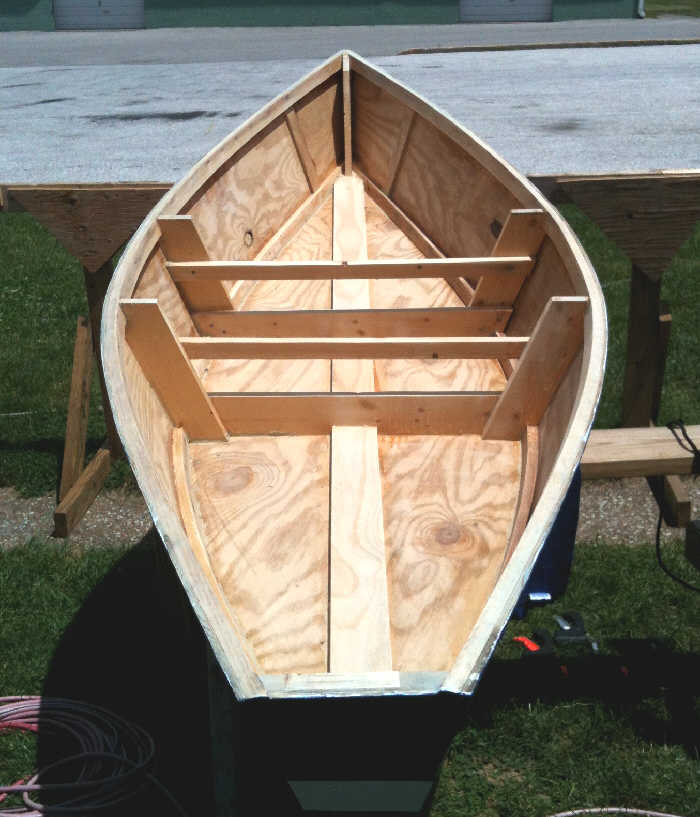
Beyond the Blueprint: Unveiling Hidden Gems in Wood Boat Plans
Building a wooden boat is a journey, a testament to human ingenuity and craftsmanship. While countless books and websites offer wood boat plans, truly understanding the nuances beyond the lines on paper is key to success. This review delves beyond the typical plan analysis, exploring often-overlooked aspects crucial for both aspiring and experienced builders.
The Unspoken Language of Wood: Material Selection Beyond the Species
Most plans specify wood types â€" oak, cedar, mahogany â€" but rarely delve into the critical variations within species. A seemingly small detail like the tree's growth rate (indicated by ring density) dramatically impacts the wood's strength and workability. Slow-grown wood, with tighter grain, offers superior strength and durability but is often more challenging to work with. Fast-grown wood might be easier to shape but may lack the necessary longevity for a seafaring vessel.
Q&A: Unlocking the Secrets of Wood Selection
Q: How can I find information on the growth rate of wood for my project?
A: Contact your lumber supplier and ask specific questions. Look for certifications like FSC (Forest Stewardship Council) which often provide information about sustainable forestry practices and wood characteristics. Online resources and forestry databases can also offer insights into the regional growth conditions influencing timber quality. Remember to visually inspect your wood for knots, checking for their size and density.
Q: What if my plans call for a specific wood that’s unavailable or prohibitively expensive?
A: Don't panic! While substituting directly may compromise structural integrity, careful research into alternative species with similar properties can be fruitful. Consider using online tools that compare wood properties â€" density, tensile strength, flexural strength â€" to find suitable substitutes. Consult with experienced boat builders for guidance; their practical experience is invaluable.
Beyond the Lines: Environmental Impact and Sustainable Practices
The environmental footprint of boatbuilding is often overlooked. Selecting sustainably sourced timber, minimizing waste, and employing environmentally friendly finishes are crucial considerations that go beyond the aesthetics. This isn’t just a moral imperative; it's also about ensuring the long-term viability of the craft itself.
A Real-World Example
I recently spoke with a boat builder who meticulously sourced reclaimed lumber for his project. Not only did this significantly reduce the environmental impact, but it also provided unique character and history to the finished vessel. The reclaimed wood, sourced from old barns, had a story to tellâ€"a unique patina and variations in color that added an undeniable charm.
The Unseen Costs: Beyond Materials and Labor
Most plans focus on the tangible costs â€" wood, epoxy, fasteners. However, hidden costs like specialized tools (a good quality spokeshave can be a game-changer), unexpected repairs, and the time investment often get overlooked. Accurate budgeting requires careful consideration of these elements.
Conclusion: Charting Your Course to Success
Choosing the “best†wood boat plans is just the first step. Success lies in thoroughly understanding the nuances of wood selection, respecting the environment, and planning for the unexpected. By embracing these often-overlooked aspects, you’ll not only build a beautiful boat but also cultivate a deeper appreciation for the artistry and skill involved in this timeless craft. Remember, the journey is as rewarding as the destination.
0 comments:
Post a Comment