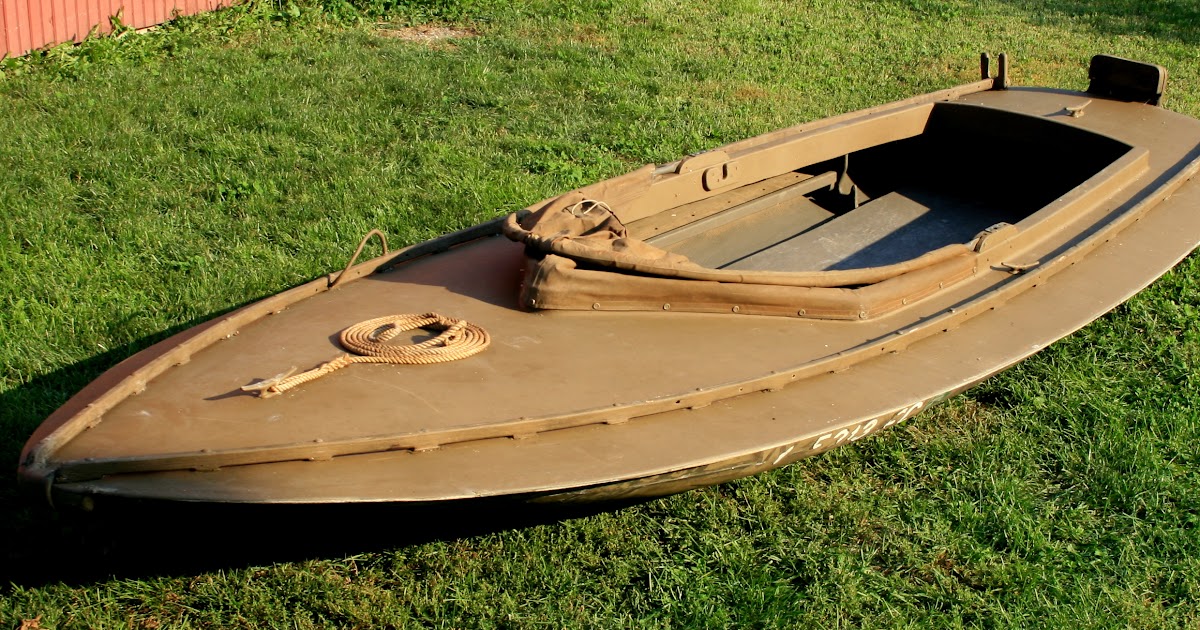
Beyond the Blueprint: Unconventional Approaches to Duck Boat Building
Building a duck boat isn't just about following plans; it's about understanding the nuances of design and material selection to create a vessel perfectly suited to your needs and the environment you'll navigate. This review of "Building a Duck Boat for Perfect Outdoor Adventures" goes beyond the typical build guide, exploring less-discussed aspects critical for success.
Beyond the Hull: Sustainability and Material Innovation
Most duck boat plans focus on traditional materials like plywood and fiberglass. But what about exploring more sustainable and innovative options? This isn't just an eco-conscious approach; it can lead to superior performance.
Q: Can reclaimed or recycled materials be used in duck boat construction?
A: Absolutely! Think reclaimed lumber, repurposed aluminum (with careful corrosion protection), and even recycled plastics. While requiring more careful selection and preparation, these materials can significantly reduce your environmental impact. Consider exploring the use of sustainably harvested woods like bamboo, known for its strength-to-weight ratio. Research from the USDA Forest Service highlights the growing availability and suitability of certain fast-growing, sustainably managed hardwoods for boatbuilding. Careful structural engineering is crucial, of course, but the potential for a greener build is significant.
Q: How can we improve the durability and longevity of our duck boat beyond traditional methods?
A: Explore advanced coatings and composite materials. Nanotechnology-based coatings offer superior UV protection and water resistance, extending the life of your boat significantly. Incorporating carbon fiber or other high-strength, lightweight composites into key structural elements could boost durability and reduce overall weight, improving fuel efficiency (if using a motor).
Engineering for the Unexpected: Adaptability and Resilience
A successful duck boat isn't just about smooth sailing; it's about resilience in challenging conditions. Standard plans often overlook these crucial factors.
Real-World Story: The "Muddy Mishap"
A friend, experienced in woodworking, built a beautiful duck boat strictly following a popular plan. However, during a particularly muddy hunt, the boat became stuck, and the stress on the hull led to a crack. His design lacked sufficient reinforcement in high-stress areas. This highlights the importance of considering the specific challenges of your hunting grounds during the design phase.
Q: How can we design a duck boat to withstand unexpected impacts and harsh environments?
A: Finite Element Analysis (FEA) software, though initially requiring investment in learning, can significantly improve your design process. FEA allows you to simulate stress points and predict potential failure areas, enabling you to reinforce the hull proactively in crucial areas like the keel and bow. Consider using thicker materials in these areas or incorporating impact-resistant composite layers. Testing different hull designs in a controlled environment (think a controlled wave tank) or simulating extreme weather conditions through digital modeling can further refine your approach.
Beyond Functionality: Ergonomics and Personalization
While functionality is key, a comfortable and personalized duck boat enhances the overall hunting experience.
Q: How can we improve the ergonomics of a duck boat beyond the basic design?
A: Consider factors like seating arrangement for optimal visibility and accessibility. Incorporate features such as custom-fitted storage solutions for gear, integrated rod holders, and even heated seats for those chilly mornings. The possibilities for customization are limitless, making your duck boat truly your own. Remember to prioritize comfort and functionality in your design choices â€" this will enhance your overall hunting experience.
Q: How can educational institutions utilize this information?
A: This information can be used to create interdisciplinary projects combining woodworking, engineering, and environmental science. Students can design and build a sustainable and innovative duck boat, applying their learned skills and knowledge to a real-world challenge.
In conclusion, building a duck boat involves more than simply following a set of plans. By considering sustainable materials, robust engineering, and personalized ergonomics, you can craft a vessel that not only performs exceptionally but also reflects your unique needs and environmental awareness.
0 comments:
Post a Comment