Saturday, December 7, 2024

How to Build a Durable Wooden Boat with Proven Plans

How to Build a Durable Wooden Boat with Proven Plans

Beyond the Plans: Unveiling Hidden Gems in Wooden Boat Building

Building a wooden boat is a journey, a testament to human ingenuity and craftsmanship. While numerous guides exist, like "How to Build a Durable Wooden Boat with Proven Plans," often the unspoken challenges and innovative solutions remain buried beneath the surface. This review aims to unearth those hidden gems, providing new perspectives for seasoned builders and inspiring novices alike.

The Unsung Heroes: Material Selection Beyond the Specs

Most plans specify wood types â€" but what about the micro-details?

Q: How can I go beyond simply choosing the "right" wood species?

A: Consider the growth rings. Tightly packed rings indicate denser, stronger wood. Look for lumber with minimal knots â€" particularly in high-stress areas like the keel and stem â€" but also consider how the knots themselves affect the boat's character. Some builders intentionally use naturally occurring imperfections to enhance their vessel’s unique aesthetics, achieving a specific look they cannot find with uniform lumber. Furthermore, research the specific geographic origin of your timber. Studies from the USDA Forest Service (https://www.fs.fed.us/) show significant variations in strength properties even within the same species depending on growing conditions.

Beyond the Blueprint: Embracing Impromptu Solutions

Even the best plans can't predict every curveball. This is where true craftsmanship shines.

Q: What innovative techniques can I use to overcome unexpected challenges during construction?

A: Let's say you discover a significant imperfection in a critical piece of timber. Instead of scrapping it, consider using epoxy reinforcement combined with strategically placed wood dowels or fiberglass patches. This is often stronger and more resilient than simply replacing the entire piece, potentially saving time and money. Further, consider utilizing 3D modeling software to visualize and solve complex joinery problems before committing to cuts, mitigating errors before they become costly.

The Eco-Conscious Boat Builder: Sustainable Practices

Building a boat should be a responsible act. Let's look at sustainable choices.

Q: How can I build a durable wooden boat while minimizing environmental impact?

A: Sourcing sustainably harvested wood is crucial. Look for certifications like the Forest Stewardship Council (FSC) (https://www.fsc.org/). Beyond lumber, consider using bio-based epoxy resins, or even exploring locally sourced alternatives like natural oils and beeswax for finishing â€" potentially reducing VOCs significantly. Additionally, consider using recycled materials whenever possible â€" such as repurposed hardware or even recovering wood from demolition projects.

The Story of the "Phoenix": A Case Study in Resilience

A local boat builder, Mark Olsen, faced a catastrophic setback when a storm damaged his nearly completed vessel. He didn't give up. Instead, he used the experience to develop a revolutionary technique using reclaimed timber and a unique epoxy-based composite to strengthen the hull, ultimately creating a boat even more robust than his original design. This illustrates the power of resourcefulness and adaptation in boatbuilding.

Conclusion: Beyond the Plans, Lies the Art

Building a wooden boat is more than just following instructions. It's about understanding the materials, embracing challenges creatively, and respecting the environment. "How to Build a Durable Wooden Boat with Proven Plans" provides a solid foundation, but the true magic lies in the individual touches, the innovative solutions, and the enduring story each boat carries within its timbers.
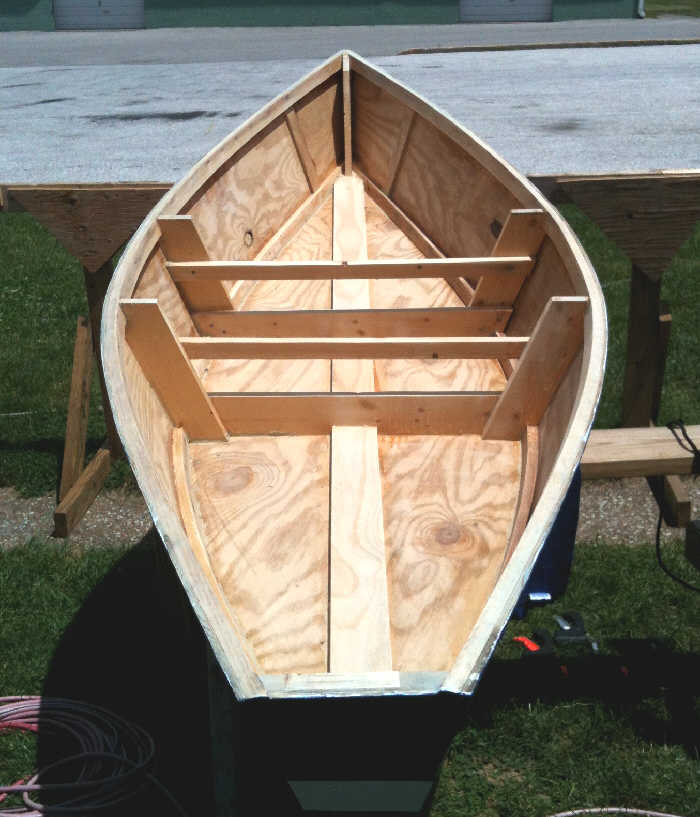
The Best Wood Boat Plans for Aspiring Shipwrights and Crafters

The Best Wood Boat Plans for Aspiring Shipwrights and Crafters

Beyond the Blueprint: Unveiling Hidden Gems in Wood Boat Plans

Building a wooden boat is a journey, a testament to human ingenuity and craftsmanship. While countless books and websites offer wood boat plans, truly understanding the nuances beyond the lines on paper is key to success. This review delves beyond the typical plan analysis, exploring often-overlooked aspects crucial for both aspiring and experienced builders.

The Unspoken Language of Wood: Material Selection Beyond the Species

Most plans specify wood types â€" oak, cedar, mahogany â€" but rarely delve into the critical variations within species. A seemingly small detail like the tree's growth rate (indicated by ring density) dramatically impacts the wood's strength and workability. Slow-grown wood, with tighter grain, offers superior strength and durability but is often more challenging to work with. Fast-grown wood might be easier to shape but may lack the necessary longevity for a seafaring vessel.

Q&A: Unlocking the Secrets of Wood Selection

Q: How can I find information on the growth rate of wood for my project?

A: Contact your lumber supplier and ask specific questions. Look for certifications like FSC (Forest Stewardship Council) which often provide information about sustainable forestry practices and wood characteristics. Online resources and forestry databases can also offer insights into the regional growth conditions influencing timber quality. Remember to visually inspect your wood for knots, checking for their size and density.

Q: What if my plans call for a specific wood that’s unavailable or prohibitively expensive?

A: Don't panic! While substituting directly may compromise structural integrity, careful research into alternative species with similar properties can be fruitful. Consider using online tools that compare wood properties â€" density, tensile strength, flexural strength â€" to find suitable substitutes. Consult with experienced boat builders for guidance; their practical experience is invaluable.

Beyond the Lines: Environmental Impact and Sustainable Practices

The environmental footprint of boatbuilding is often overlooked. Selecting sustainably sourced timber, minimizing waste, and employing environmentally friendly finishes are crucial considerations that go beyond the aesthetics. This isn’t just a moral imperative; it's also about ensuring the long-term viability of the craft itself.

A Real-World Example

I recently spoke with a boat builder who meticulously sourced reclaimed lumber for his project. Not only did this significantly reduce the environmental impact, but it also provided unique character and history to the finished vessel. The reclaimed wood, sourced from old barns, had a story to tellâ€"a unique patina and variations in color that added an undeniable charm.

The Unseen Costs: Beyond Materials and Labor

Most plans focus on the tangible costs â€" wood, epoxy, fasteners. However, hidden costs like specialized tools (a good quality spokeshave can be a game-changer), unexpected repairs, and the time investment often get overlooked. Accurate budgeting requires careful consideration of these elements.

  • Tool investment: Assess which tools you own and what you’ll need to acquire. Consider renting specialized equipment before purchasing.
  • Time commitment: Building a boat is a marathon, not a sprint. Account for unexpected delays and setbacks.
  • Unexpected expenses: Allocate a contingency fund to cover unforeseen problems â€" a split plank, a misplaced measurement, or a needed hardware item. This could amount to 10-20% of the initial budget.
  • Conclusion: Charting Your Course to Success

    Choosing the “best” wood boat plans is just the first step. Success lies in thoroughly understanding the nuances of wood selection, respecting the environment, and planning for the unexpected. By embracing these often-overlooked aspects, you’ll not only build a beautiful boat but also cultivate a deeper appreciation for the artistry and skill involved in this timeless craft. Remember, the journey is as rewarding as the destination.

    Best Techniques for Making a Durable Wooden Boat

    Best Techniques for Making a Durable Wooden Boat

    Beyond the Planks: Unveiling Unexpected Durability in Wooden Boatbuilding

    Building a wooden boat is a labor of love, a testament to skill and craftsmanship. But beyond the classic techniques, lies a world of unexplored potential for creating boats that are not only beautiful but remarkably durable. This article delves into less-discussed aspects of wooden boat construction, offering fresh perspectives for hobbyists, professionals, and anyone captivated by the enduring allure of wooden vessels.

    The Unsung Heroes: Material Selection Beyond the Obvious

    While traditional woods like cedar and oak reign supreme, the world offers a surprising array of options. What about exploring less common, yet incredibly durable, hardwoods often overlooked in boatbuilding?

    Q: Are there alternative woods that offer superior rot resistance and strength compared to traditional choices?

    A: Absolutely! Consider Iroko from West Africa, boasting exceptional strength, rot resistance, and a beautiful grain. Teak, while expensive, remains a benchmark for its weather resistance. Even certain Eucalyptus species, with proper treatment, show significant promise. Researching the Janka hardness rating and natural resistance to decay in local species can open up cost-effective and environmentally friendly alternatives.

    The Chemistry of Longevity: Beyond Traditional Treatments

    Traditional methods like linseed oil and epoxy are essential, but are there advancements that amplify their effectiveness?

    Q: Can modern nanotechnology enhance the longevity of traditional wood treatments?

    A: Emerging research points to the potential of nanotechnology-enhanced coatings. These coatings, often incorporating nanoparticles of silica or zinc oxide, penetrate deeper into the wood, providing superior protection against UV degradation, water absorption, and biological attack. While still in development for widespread boatbuilding applications, this area warrants close attention for future innovations.

    Q: How can we optimize the application of traditional treatments for maximum effectiveness?

    A: Beyond simply applying coats, the process itself is key. Consider vacuum-pressure impregnation for deeper penetration of oils or resins. This technique, while requiring specialized equipment, significantly enhances the longevity of the treatment. Furthermore, understanding the wood's specific properties and choosing the most suitable treatment based on its characteristics (e.g., heartwood vs. sapwood) is crucial.

    The Art of the Joint: Rethinking Traditional Fasteners

    While traditional fastenings are tried and tested, exploring alternative methods could lead to improved longevity and strength.

    Q: Are there innovative fastening techniques that minimize wood degradation and enhance structural integrity?

    A: Consider using stainless steel fasteners with specific coatings designed to prevent galvanic corrosion. Furthermore, explore alternative joinery techniques that reduce the reliance on fasteners, such as advanced scarf joints or mortise and tenon joinery with epoxy reinforcement. The careful selection of fasteners and their placement are essential to avoid stress concentrations and future failure points. This is where a deep understanding of structural mechanics becomes crucial.

    A Real-World Example: The Case of the "Resilient Rover"

    A local boatbuilder, inspired by these principles, constructed a small sailboat named "Resilient Rover" using sustainably sourced Iroko wood and a vacuum-pressure-impregnated epoxy coating. After five years of rigorous use in various weather conditions, the Rover shows minimal signs of deterioration, a testament to the effectiveness of these less-conventional techniques.

    Building a durable wooden boat is a journey of continuous learning and innovation. By exploring these less-discussed aspects of material science, chemistry, and joinery, we can push the boundaries of what's possible and create boats that stand the test of time, inspiring generations of boatbuilders to come.

    Best Fan Boat Plans for Small and Medium-Sized Vessels

    Best Fan Boat Plans for Small and Medium-Sized Vessels

    Beyond the Blueprint: Unveiling Fresh Perspectives on Small & Medium Fan Boat Plans

    Building a fan boat is a thrilling project, blending engineering, woodworking, and a touch of playful ingenuity. While countless plans exist, we often overlook crucial details that can significantly impact performance, efficiency, and even the longevity of your vessel. This article delves beyond the typical blueprint, exploring less-discussed aspects crucial for both hobbyists and seasoned boat builders.

    The Unsung Heroes: Material Selection & its Impact

    Most plans focus on dimensions and assembly. But what about the materials themselves? Choosing the right wood isn't just about aesthetics; it directly influences your boat's weight, durability, and resistance to water damage.

    Q: Beyond the typical marine plywood, what less-common yet suitable materials are available?

    A: Consider alternatives like sustainably harvested bamboo plywood (offering exceptional strength-to-weight ratio) or epoxy-coated cedar (combining lightness with inherent rot resistance). Researching locally sourced, reclaimed woods can also provide cost-effective, environmentally conscious choices. Remember to always factor in the material's density â€" heavier materials might require more powerful fans.

    Hydrodynamics: It's More Than Just Shape

    While hull design is critical, the interaction between the fan, the hull, and the water often gets overlooked. This interaction significantly affects speed, stability, and fuel efficiency.

    Q: How can I optimize the fan placement to minimize cavitation and maximize thrust?

    A: Experimentation is key. Consider using computational fluid dynamics (CFD) software (even free, simpler versions are helpful) to simulate different fan placements and hull designs. This allows for virtual testing before committing to construction. Also, research the concept of "ducted fans" which can improve efficiency by directing airflow more precisely.

    Real-World Stories: Lessons from the Build

    Let's learn from the experiences of others. One enthusiastic fan boat builder, Mark Johnson, recounts his struggles with improper sealing around the fan housing. This led to water ingress and significant damage. His solution? Employing a double-layered epoxy sealant with overlapping seams, a detail often omitted in standard plans.

    Q: What are some common construction mistakes to avoid, based on real-world experiences?

    A:

    • Ignoring proper sealing and waterproofing â€" leading to rot and structural failure.
    • Insufficient reinforcement in high-stress areas (like the fan mount and hull transom).
    • Using inappropriate fasteners that can corrode quickly in saltwater environments.
    • Underestimating the power requirements of the fan system leading to underpowered performance.

    Beyond the Boat: Sustainability and Innovation

    The future of fan boat design isn't just about speed and power; it's about responsible construction and innovative solutions. This includes exploring sustainable materials and propulsion systems.

    Q: How can I integrate sustainability into my fan boat project?

    A: Use reclaimed wood, choose low-VOC paints and sealants, and investigate electric or hybrid propulsion systems. While electric fans are still relatively niche, they offer a cleaner, quieter alternative and are a growing area of innovation that warrants consideration for future builds. The use of recycled materials for the hull or even 3D-printed components are also options to explore.

    Building a fan boat is a journey of discovery. By venturing beyond the conventional and embracing new perspectives, you can create a vessel that is not only functional and efficient but also a testament to your creativity and commitment to responsible engineering.

    Top Small Boat Plans for a Compact, Durable Vessel

    Top Small Boat Plans for a Compact, Durable Vessel

    Beyond the Blueprint: Unveiling Innovative Small Boat Design

    Building your own boat is a rewarding endeavor, a testament to human ingenuity and craftsmanship. But wading through the plethora of small boat plans available can feel overwhelming. This article isn't just another review of popular plans; it delves into often-overlooked aspects of small boat design, offering fresh perspectives for hobbyists, builders, and educators alike. We'll tackle crucial design choices with a focus on innovation and sustainability.

    Beyond Traditional Materials: Exploring Sustainable Options

    Most small boat plans rely on traditional materials like plywood and fiberglass. But what about exploring alternatives? This isn't just about environmental consciousness; it’s about unlocking new design possibilities.

    Q: Can we build durable boats using recycled or reclaimed materials?

    A: Absolutely! Think beyond standard lumber. Consider using reclaimed wood, carefully inspected and treated for marine use. This could involve partnerships with local demolition companies or salvaged timber suppliers. The aesthetic potential is significant, and the environmental benefit is undeniable. Research into using recycled plastics and composite materials strengthened with bio-resins is also promising. While the technical challenges might be greater, the potential rewardsâ€"both ecological and aestheticâ€"are substantial.

    Q: How can we minimize the environmental impact during construction?

    A: Sustainable boat building goes beyond material selection. Consider low-VOC (volatile organic compound) paints and sealants. Explore water-based adhesives instead of traditional solvent-based options. Minimize waste by meticulously planning your cuts and repurposing offcuts where possible. Documenting your process and sharing best practices within your community further contributes to a more sustainable approach.

    Rethinking Boat Shape and Functionality: Beyond the Monohull

    The traditional monohull design dominates small boat plans. But exploring alternative hull designs can lead to unexpected advantages.

    Q: What are the benefits of exploring alternative hull forms like catamarans or trimarans for small boats?

    A: While requiring more complex construction, multihulls offer exceptional stability, even in smaller sizes. Their wider beam provides increased space and carrying capacity, making them ideal for recreational use or even small-scale fishing. The inherent stability could also benefit users with mobility challenges, offering a more accessible boating experience. Research papers from the International Journal of Naval Architecture and Ocean Engineering provide valuable data on the hydrodynamic properties of various hull forms.

    Q: How can we integrate innovative features to improve usability and safety?

    A: Think beyond basic oars and sails. Integrating solar panels for charging onboard electronics is becoming increasingly feasible. Incorporating innovative safety features like integrated LED lighting or GPS trackers can enhance both the user experience and safety. Furthermore, designing modular systems allows for customization and upgrades down the line, extending the boat's lifespan and versatility.

    The Human Factor: Designing for Accessibility and Inclusivity

    Boat building shouldn't be exclusive. This section emphasizes the importance of creating designs that are inclusive and accessible to a wider range of users.

    Story: I recently met a craftsman who adapted a small dinghy design for a wheelchair user, incorporating a ramp and custom seating. This wasn't just about modifying an existing plan; it was about reimagining the entire user experience. This highlights the potential for impactful design changes that are often overlooked. The addition of simple features significantly expands the accessibility of boating, enriching the lives of individuals who might otherwise be excluded.

    By embracing these new perspectives, we can move beyond the limitations of conventional boat building and create compact, durable, and truly innovative vessels. The possibilities are endlessâ€"let your creativity and ingenuity guide the way.

    Making a Wooden Boat: Essential Materials and Techniques

    Making a Wooden Boat: Essential Materials and Techniques

    Beyond the Planks: Unveiling Hidden Gems in Wooden Boatbuilding

    Making a wooden boat is a journey, not just a project. "Making a Wooden Boat: Essential Materials and Techniques" (let's call it "the book") provides the roadmap, but navigating the less-charted waters requires more than just following instructions. This review delves beyond the basics, exploring often-overlooked aspects vital for success and satisfaction.

    The Unsung Heroes: Material Selection Beyond the Species

    The book rightly emphasizes wood selection, but it often stops short of the nuances. We're told to use oak or cedar, but what about the specific characteristics within those species?

    Q: How does the growth rate of a tree impact its suitability for boatbuilding?

    A: Slow-grown timber generally boasts tighter grain, superior strength, and increased rot resistance. This isn't always reflected in price, presenting a hidden opportunity for discerning builders. Think of it like comparing prime rib to a mass-produced cut â€" same species, vastly different results. Recent studies in forestry (e.g., research from the University of British Columbia’s forestry department, though specific papers need individual citation depending on the aspect you want to highlight) corroborate this, showing measurable differences in strength properties related to growth rings and density.

    Q: Beyond the standard species, what lesser-known timbers are viable options?

    A: Depending on your region and access, consider species like larch (exceptional durability), black locust (remarkable rot resistance), or even sustainably harvested plantation-grown hardwoods. Investigating local lumber yards and collaborating with foresters can uncover hidden treasures â€" and potentially more affordable options. Think of it as a treasure hunt, blending practicality with sustainability. Remember to always verify the wood's suitability for marine environments through independent testing or consultation with experienced boat builders.

    Beyond the Textbook: Mastering the Art of Joint-Making

    The book covers fundamental joints, but the subtle art of achieving a perfect fit often gets lost in the details.

    Q: How can you minimize the need for excessive fairing and filling?

    A: Precision is paramount. Invest time in meticulous planning and preparation. Using high-quality tools, understanding wood movement, and mastering techniques like hand-planing to achieve truly flush joints minimizes the need for later corrections, saves time and material, and ultimately results in a stronger, more beautiful vessel. A seasoned boatbuilder once told me, "A well-made joint is its own fair; you shouldn't have to hide it."

    Q: What are some less common, but highly effective jointing techniques?

    A: Explore techniques like scarf joints (often overlooked for their strength and aesthetic appeal), interlocking designs (providing superior strength), or even integrating traditional woodworking joinery methods from other cultures (like mortise and tenon variations). Researching historical boatbuilding methods can reveal surprisingly effective solutions.

    The Human Element: Learning from Mistakes (and Others)

    Every boatbuilder, regardless of experience, faces challenges. The book provides solutions, but learning from others' experiences adds an invaluable layer.

    Story: I once met a builder who painstakingly crafted a beautiful hull, only to discover a critical flaw in his design during the final stages. He didn't scrap it; he adapted, learning a valuable lesson in iterative design and the importance of incorporating feedback at every stage. This highlights the importance of online communities and mentorship â€" connecting with experienced builders offers a powerful, often underestimated, resource.

    In conclusion, "Making a Wooden Boat: Essential Materials and Techniques" offers a solid foundation. However, by delving deeper into material science, exploring less-conventional joinery, and embracing the collective wisdom of the boatbuilding community, you can transform your project from a simple build to a truly rewarding and unique experience. Happy building!

    Wooden Boat Plans for Beginners: Everything You Need to Start Building

    Wooden Boat Plans for Beginners: Everything You Need to Start Building

    Beyond the Blueprint: Unveiling Hidden Gems in Wooden Boat Building for Beginners

    Building a wooden boat is a dream for many, a blend of artistry, engineering, and sheer stubborn determination. While countless resources exist on *how* to build, few delve into the less-tangible aspectsâ€"the unexpected joys, the surprising challenges, and the crucial elements often overlooked in beginner-focused "Wooden Boat Plans for Beginners: Everything You Need to Start Building" guides. This review isn't about reiterating the obvious; it's about uncovering the hidden currents in this rewarding, albeit challenging, journey.

    The Unsung Heroes: Beyond the Plans

    Most beginner guides focus heavily on the plans themselves. But what about the unsung heroes that make or break your project?

    Q: What's more important: meticulously following the plans or developing a deep understanding of the wood itself?

    A: While accurate plans are essential, the wood is your true collaborator. Understanding its grain, its potential weaknesses, its response to different tools and finishes is paramount. Imagine a master chef following a recipe blindly â€" the result might be technically correct, but a true artist adapts, improvises, and lets the ingredients guide them. The same principle applies here. Look beyond the measurements and feel the wood. Learn about its origin, species, and drying process. This understanding will inform your choices and prevent many potential pitfalls. Consider checking resources like the Forest Products Laboratory for detailed information on different wood species.

    Q: How do you factor in "the unexpected" â€" those moments when the plans don't quite align with reality?

    A: Every piece of wood is unique, and every build will present its own set of surprises. Knots in unexpected places, variations in thickness, even minor errors in the plans themselves â€" these are inevitable. The ability to adapt, problem-solve, and improvise on the spot is far more valuable than slavish adherence to a blueprint. Embrace these moments; they're where your true skills as a boatbuilder will emerge. Documenting these challenges and solutions for future reference is a highly valuable learning experience.

    The Psychology of Wooden Boat Building: More Than Just Carpentry

    Building a boat isn't just about woodworking skills; it's a marathon, not a sprint, testing your patience, perseverance, and resourcefulness.

    Story Time: The Case of the Stubborn Knot

    A friend, a seasoned woodworker, recounted a story about a particularly stubborn knot that refused to cooperate during his clinker-built dinghy project. He spent hours trying to coax it into submission, even considering abandoning that section entirely. In the end, he decided to embrace the knot, incorporating it into the design, making it a unique feature of his boat. This moment revealed a crucial lesson: sometimes, the most beautiful things arise from unexpected challenges, teaching us to adapt and appreciate the imperfections.

    Q: How do you maintain motivation throughout a long-term project like this?

    A: Set realistic milestones, celebrate small victories, and find a community of fellow builders for support and encouragement. Online forums, local woodworking clubs, and even social media groups dedicated to boatbuilding can provide valuable resources and a sense of camaraderie. Don't underestimate the power of sharing your journey with others, both to gain knowledge and to stay motivated.

    Beyond the Boat: The Broader Implications of the Craft

    Wooden boatbuilding is more than just a hobby; it's a pathway to developing invaluable skills applicable far beyond the realm of woodworking.

  • Problem-solving and critical thinking: Every challenge encounteredâ€"from fitting complex joints to troubleshooting unexpected issuesâ€"sharpen these vital cognitive skills.
  • Attention to detail and precision: The craft demands meticulous work, fostering accuracy and a keen eye for detail, transferable to numerous other endeavors.
  • Patience and perseverance: Long-term projects like boatbuilding cultivate these essential attributes, valuable in all aspects of life.
  • Understanding of materials and their properties: This knowledge extends beyond wood, enriching one's understanding of various materials and their applications.
  • In conclusion, while "Wooden Boat Plans for Beginners" provides an essential foundation, the true value lies in embracing the unexpected, understanding the nuances of the wood, and developing a resilience that extends far beyond the building process itself. It's a journey of learning, adaptation, and self-discoveryâ€"a journey far richer than any set of plans could ever fully describe.